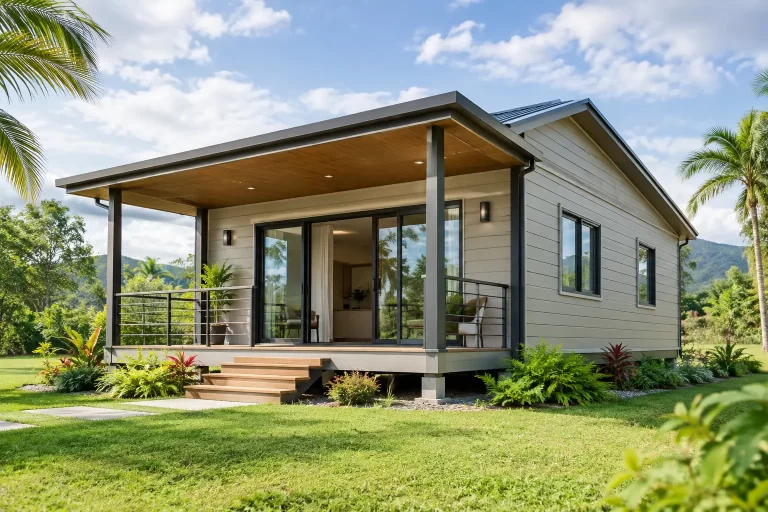
Steel Prefab Homes - Worldwide Shipping

Why Choose Factory Built Housing in the Caribbean?
Why choose factory built housing? See how galvanized steel delivers assembly, insulation, moisture protection, and flexible plans in tropical climates.
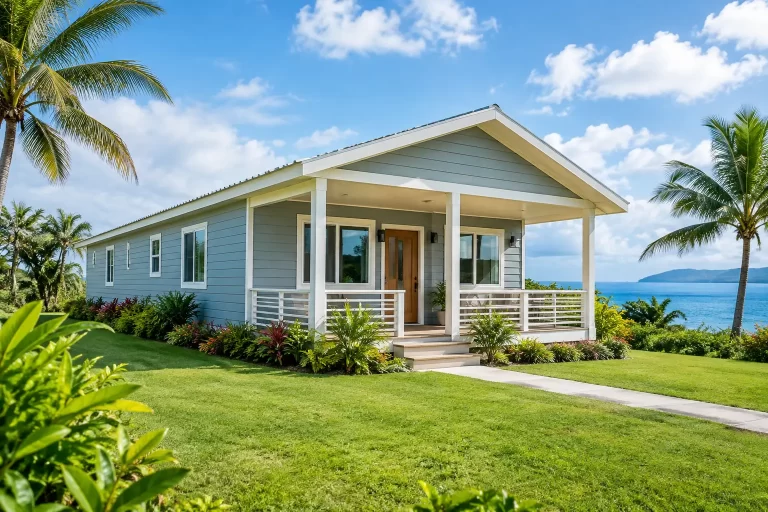
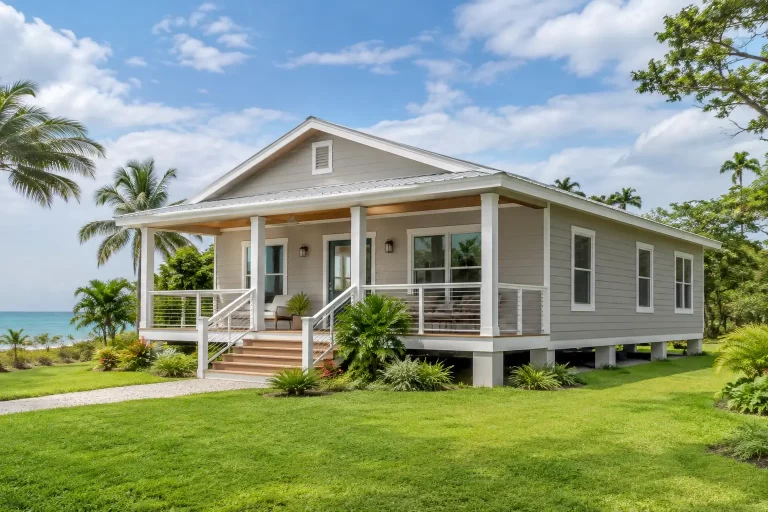
A coastal home project can lose months to unpredictable labor schedules, material exposure, and changing site conditions. That is why choose factory built housing is a practical question for buyers who want more control over the path to a finished home, villa, rental unit, or hospitality development. For Caribbean and tropical locations in particular, a well-designed factory-built steel system can combine speed with the protection, comfort, and design flexibility that permanent and vacation properties require.
Factory-built housing does not mean accepting a generic box. It means moving much of the precision work into a controlled production environment, where the structural components are manufactured to an approved design, organized for transport, and prepared for efficient assembly at the destination. The result is a more predictable construction process without giving up the ability to tailor a plan to the property and the way people will use it.
Why Choose Factory Built Housing for Tropical Projects?
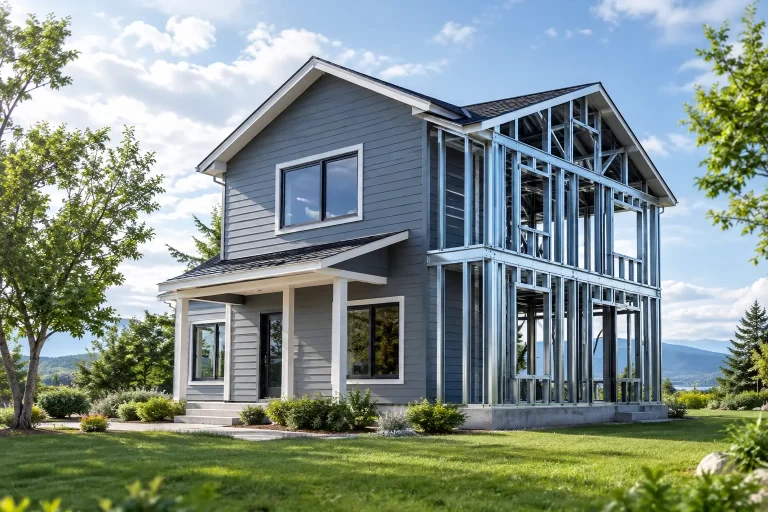
The central advantage is control. Conventional construction often depends on many separate deliveries and work stages happening correctly in difficult weather conditions. With a factory-built system, light-gauge galvanized steel framing, wall components, insulation materials, and exterior cladding are produced and checked before shipment. That helps reduce avoidable variation at the job location.
For an overseas buyer or developer, this controlled process also simplifies coordination. Instead of sourcing every building component independently, the project begins with a defined housing system and documented layout. Components can be packed for international transportation and delivered as an organized package for assembly. This is particularly valuable on islands, where material availability, storage space, and transport timing may be more limited than on the mainland.
Speed matters, but speed should not be confused with rushing. A faster assembly phase is possible because key parts have already been manufactured and prepared. Fewer on-site cutting and framing tasks can mean a cleaner, more organized workflow and a shorter route from delivery to an enclosed building structure. For a second home, rental villa, or resort accommodation project, reducing the construction timeline can also reduce the period before the property can be occupied or placed into service.
Steel Strength Meets Practical Home Design
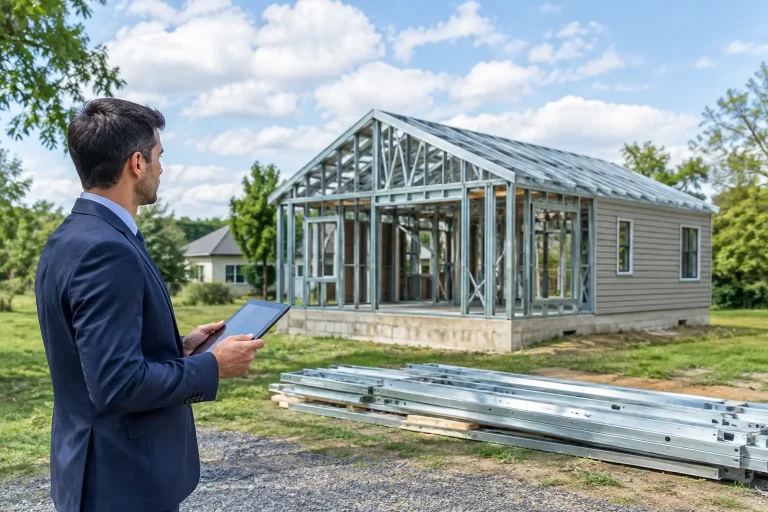
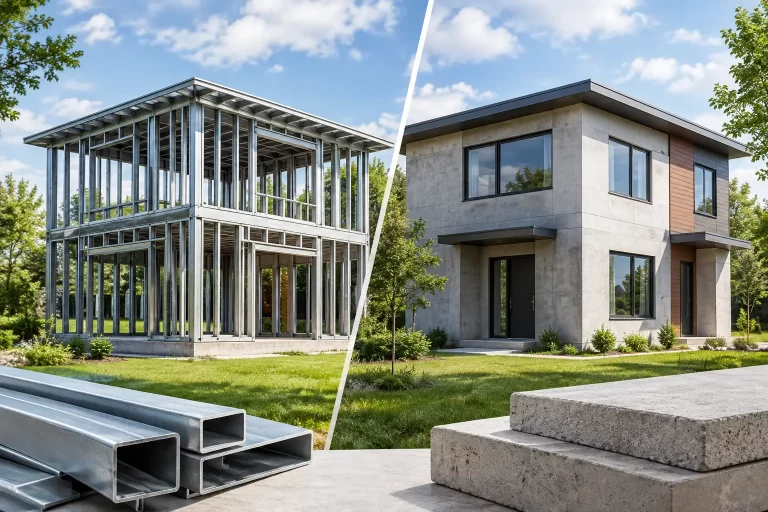
The frame is one of the most important reasons to consider a factory-built home. Light-gauge galvanized steel is engineered to create a consistent structural system with high strength relative to its weight. Unlike organic framing materials, steel does not rot, warp, or become a food source for termites. Those qualities are especially relevant in humid climates, where moisture and pests can create long-term maintenance concerns.
Galvanization adds a protective zinc coating that helps the steel resist corrosion. No building material is maintenance-free, and coastal projects still need appropriate detailing and routine care. However, a galvanized steel system offers a durable starting point for homes exposed to humid air, heavy rainfall, and changing seasonal conditions.
Structural design must always reflect the local building code, site conditions, and intended use. Wind loads, seismic requirements, and architectural details vary from one location to another. A quality prefab supplier can adapt a model or develop a project configuration around these requirements, rather than treating every destination as if it has the same environmental demands.
Earthquake-Resistant Construction Advantages
Steel is comparatively lightweight and has a favorable strength-to-weight ratio. When engineered as part of a complete building system, this can support strong performance in seismic regions. The framing members, connections, sheathing, and overall plan must work together, which is why system design and correct assembly are as important as the material itself.
For buyers in earthquake-prone areas, the question is not simply whether a home is prefabricated. The more useful question is whether the structural system is designed for applicable local loads and assembled according to its specifications. Factory production supports that goal by delivering accurately formed, consistent components.
Better Comfort Through Insulation and Wall Systems
A tropical climate creates a different comfort challenge than a cold climate. The goal is often to limit unwanted heat gain, manage humidity, and keep interior spaces comfortable without placing unnecessary demand on cooling equipment. Factory-built housing can address this through insulated wall assemblies designed as a coordinated system rather than as separate materials selected late in the build.
Insulation works with the exterior envelope to slow heat transfer. In a steel prefab home, insulated wall panels or wall assemblies can be combined with fiber-cement cladding and appropriate waterproofing layers. Each material has a separate role: steel provides the structure, insulation improves thermal comfort, cladding provides a durable exterior surface, and moisture-management layers help protect the wall assembly from water intrusion.
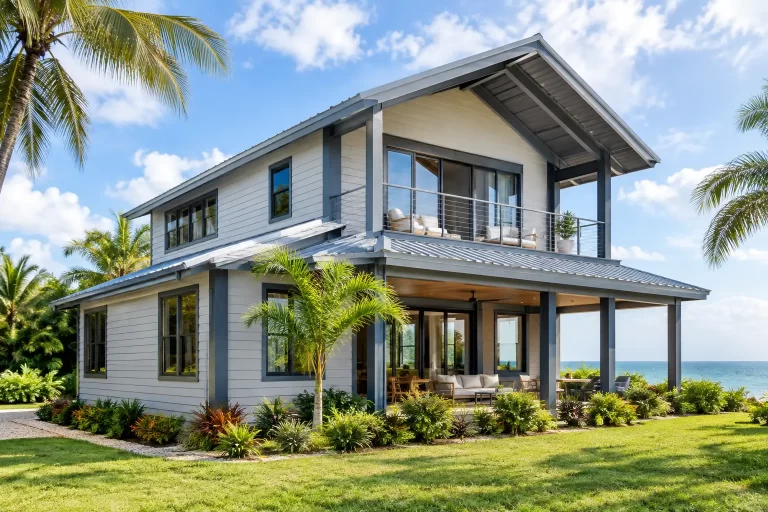
Fiber-cement cladding is well suited to many humid and coastal environments because it is resistant to rot and does not attract termites. It also offers a clean architectural finish that can suit a compact vacation home, a modern villa, or a larger multi-unit project. The best exterior specification will depend on the climate, exposure level, local regulations, and the desired appearance.
Good envelope performance depends on details, not just product names. Window and door openings, roof connections, flashing, sealing, ventilation, and drainage paths must be planned carefully. A factory-built solution is strongest when these details are considered early in the design instead of being treated as last-minute additions.
Predictable Quality Without Sacrificing Customization
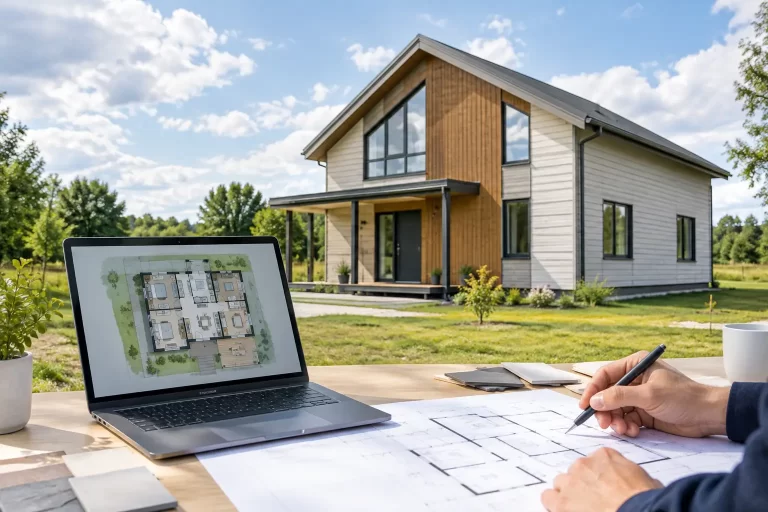
Some buyers assume that prefabrication limits design choice. That can be true of highly standardized products, but modern steel prefab systems can be adapted in meaningful ways. A base model can be modified to suit the number of bedrooms, bathroom locations, kitchen layout, balcony needs, window placement, roof form, and intended occupancy.
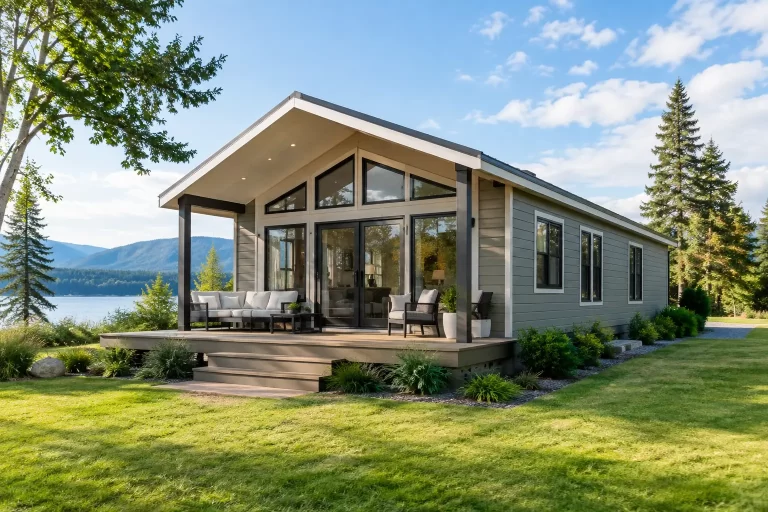
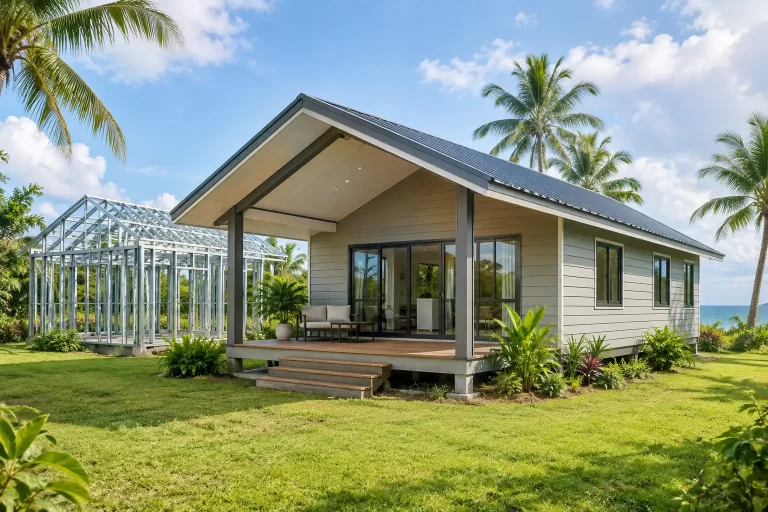
This flexibility matters because the same building type can serve very different purposes. A homeowner may want a compact single-story residence with shaded outdoor living space. An investor may need several repeatable rental units that remain visually appealing and practical to maintain. A hospitality operator may require villa layouts with private bathrooms, multiple bedroom configurations, or shared guest areas.
There are trade-offs. Extensive customization may increase design coordination, manufacturing time, and overall cost compared with selecting a standard plan. Complex sites can also require additional planning. The right approach is to identify which changes genuinely improve the project and which simply add complexity without improving daily use or return on investment.
A Better Fit for Repeatable Development
Factory-built housing becomes especially compelling when a project includes multiple units. Repeating a proven structural and wall system across villas, staff housing, guest cabins, or residential units can improve consistency in appearance, materials, and construction sequencing. It also makes it easier to plan procurement and future maintenance.
That does not mean every unit must look identical. A development can use related models with different sizes, mirrored floor plans, terraces, or interior layouts. The benefit is having a coordinated system behind those variations rather than starting from zero for each building.
Transportation Is Part of the Engineering Plan
For international projects, the house must be designed not only to stand well but also to travel well. Factory-built components are organized for shipment so they can move efficiently from the manufacturing facility to the destination. This is a major advantage for projects in the Caribbean, Central America, and island markets where logistics can shape both timing and budget.
Transportation planning should begin early. Buyers should consider port access, local delivery routes, storage arrangements, import documentation, and the availability of experienced assembly teams. A supplier that understands export packaging and system organization can make this stage far more manageable, but project owners should still allow realistic time for shipping and local approvals.
Bilka Prefab Homes produces galvanized steel house systems with this international process in mind, combining factory-controlled manufacturing with configurable home and villa designs for projects beyond Türkiye. The goal is not merely to ship materials, but to provide an organized building system suited to efficient assembly and climate-conscious construction.
When Factory-Built Housing Is the Right Choice
Factory-built housing is a strong option for buyers who value predictable quality, faster assembly, steel durability, and a clear relationship between the building’s structural and envelope components. It is particularly relevant for humid, coastal, seismic, or logistically challenging locations where conventional construction can involve more uncertainty.
It is not an automatic answer for every project. Local codes, architecture, shipping conditions, budget priorities, and project scale all matter. The best outcome comes from choosing a system that matches the climate and intended use, then confirming the technical details before manufacturing begins.
A home should be planned for the weather it will face and the life it will support. Start with a layout that works for the site, specify a wall system that manages heat and moisture, and choose a manufacturer that treats strength, insulation, and transportation as connected parts of the same project.