Steel Prefab Homes - Worldwide Shipping

The Best Prefab Homes for Belize Buyers
Compare the best prefab homes for Belize, from compact villas to two-story rentals, with steel framing, insulation, and moisture-ready cladding systems.
Belize rewards a home that is designed for its actual conditions, not simply adapted after arrival. The best prefab homes for Belize combine a strong steel structure with insulation, moisture-resistant exterior materials, and a layout that fits the way the property will be used – as a permanent residence, a coastal retreat, or an income-producing rental.
For buyers, the right choice is rarely the largest model in a catalog. It is the prefab system that can travel efficiently, assemble quickly, remain comfortable through heat and heavy rain, and be configured around the site, family size, or guest capacity. A well-specified prefab home can provide a more controlled alternative to conventional construction while preserving the flexibility that Belize projects often require.
What Makes the Best Prefab Homes for Belize Different?
Belize has a warm, humid climate, seasonal heavy rainfall, and many coastal and island locations where building materials face persistent moisture exposure. A prefab home intended for this environment needs more than an attractive exterior. Its wall system, frame, insulation, roof detailing, and finishes should work together to manage heat and moisture over the long term.
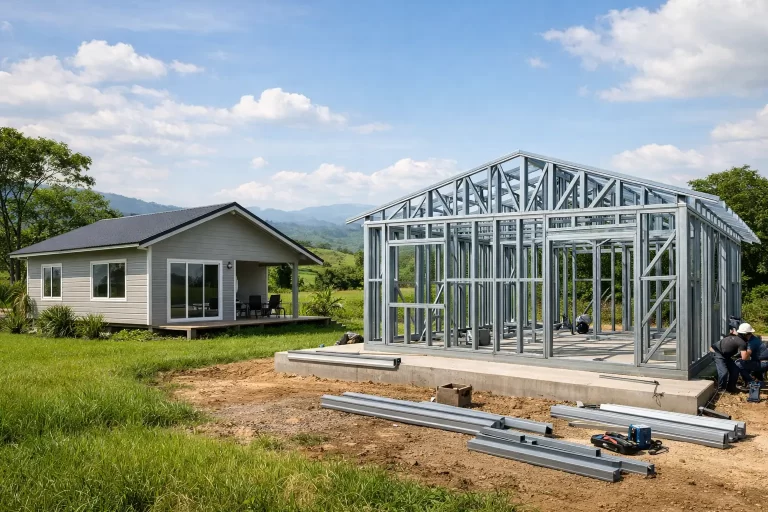
Light-gauge galvanized steel is a practical starting point. Unlike untreated wood framing, galvanized steel does not provide food for termites and is not vulnerable to rot. Its factory-produced members are dimensionally consistent, helping walls, openings, and roof components fit accurately during assembly. Steel framing also offers a strong structural basis for projects where buyers want dependable performance and a clean, modern architectural finish.
The exterior layer matters just as much. Fiber-cement cladding is well suited to tropical conditions because it is moisture resistant, stable, and visually adaptable. It can support a contemporary villa appearance or a simpler residential profile without relying on materials that easily deteriorate in humid air. When paired with carefully detailed waterproofing layers, it creates a more reliable protective envelope against rain and wind-driven moisture.
Insulation should not be treated as an optional upgrade in Belize. A properly insulated wall and roof system can reduce heat transfer, support more stable indoor temperatures, and lessen the demand placed on cooling equipment. The result is a home that feels more usable throughout the day, rather than one that becomes uncomfortable whenever the sun is strongest.
Choose the Home Type Before Choosing the Floor Plan
A practical prefab purchase starts with the intended use of the property. The same structural system can support very different outcomes, but a full-time family home should not be planned exactly like a short-stay rental villa.
Compact single-story homes for efficient living
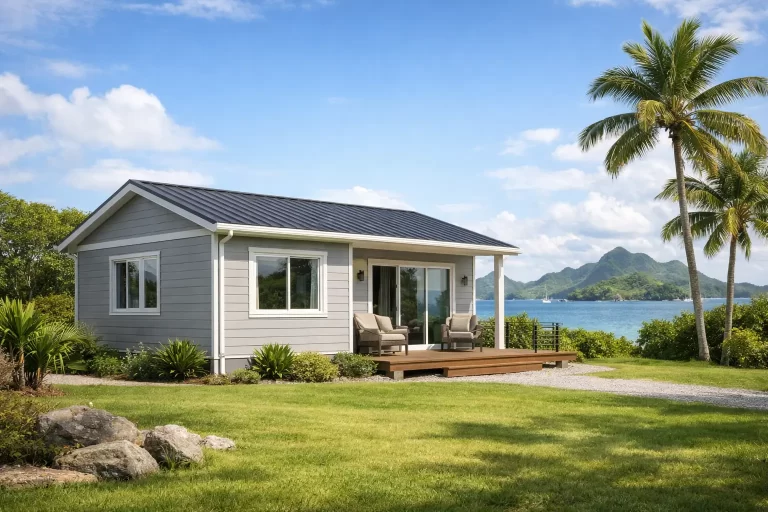
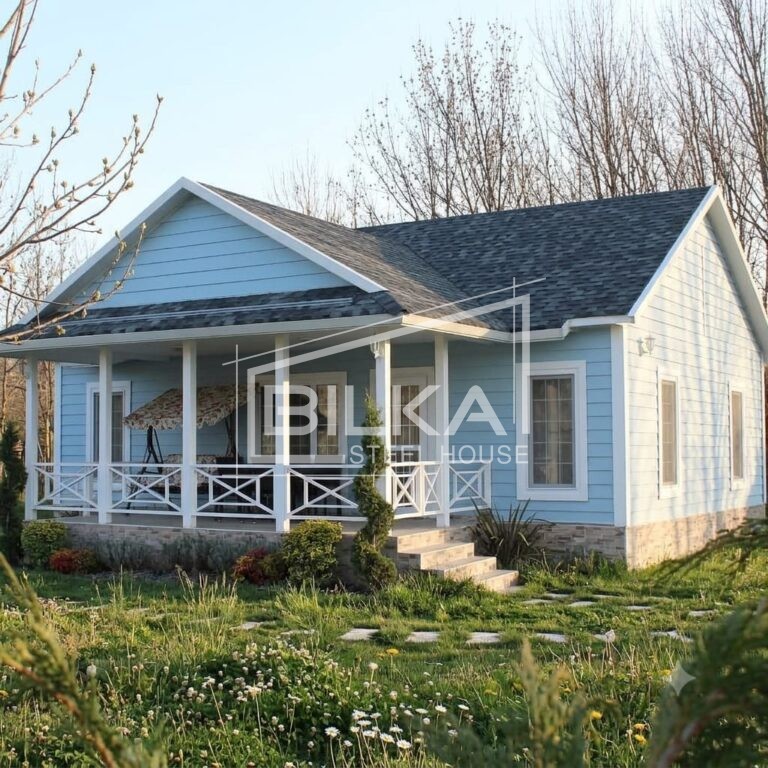
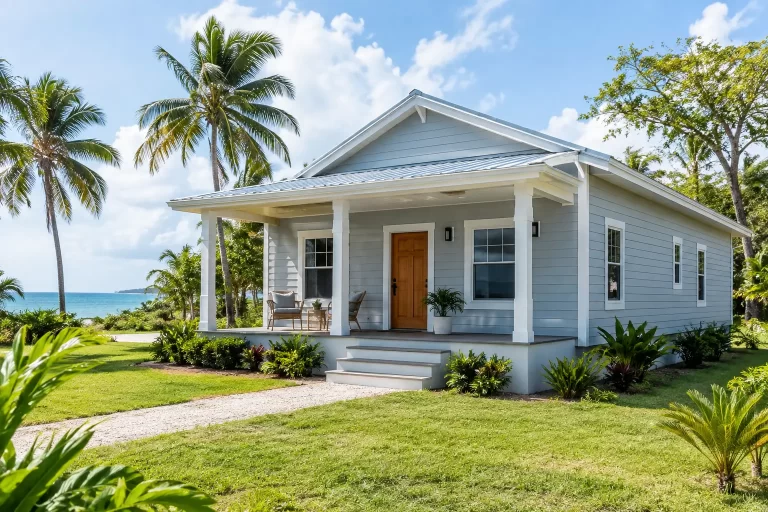
A compact single-story prefab home is often the right answer for couples, small families, retirement living, staff housing, or a first vacation property. With fewer circulation areas and a direct room arrangement, these homes can make efficient use of the available interior space. Two-bedroom layouts with an open kitchen and living area are particularly flexible because they serve both private use and rental demand.
Single-story designs also simplify everyday movement. This can be valuable for buyers planning to use the home for many years, as well as hospitality operators who want accessible, easy-to-maintain accommodation. A covered porch or shaded outdoor area can extend the living space and improve the connection between indoor rooms and Belize’s tropical landscape.
Larger family villas with room to adapt
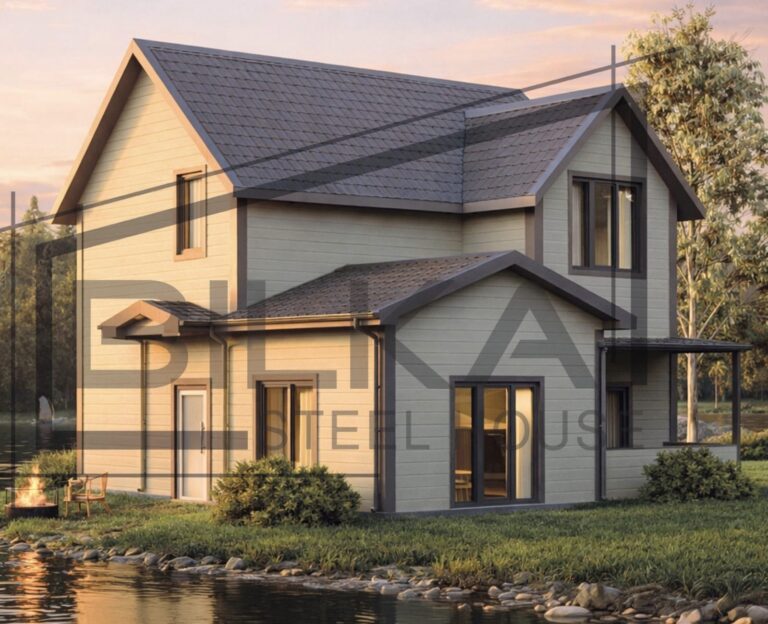
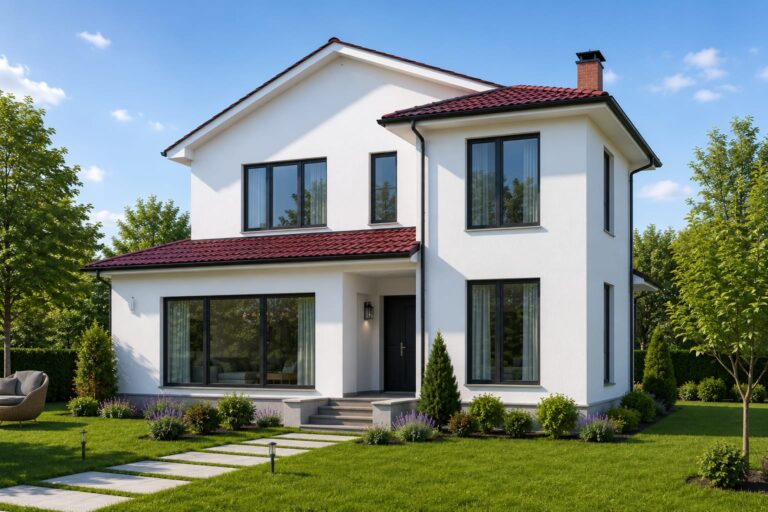
For permanent residences and second homes used by extended families, a larger prefab villa provides better separation between shared and private areas. Three-bedroom and four-bedroom layouts can include multiple bathrooms, larger living zones, storage, and a more generous kitchen arrangement. The key is to prioritize the rooms that will actually be used, rather than adding square footage without a clear purpose.
Prefab construction does not require every villa to look identical. Window placement, façade colors, room divisions, roof forms, balconies, and interior configurations can be adapted to the project. Buyers who entertain frequently may prefer a wider living and dining area. Those planning for family visits may place bedrooms farther apart for privacy. This level of design adjustment is especially valuable when the home must serve more than one role over time.
Two-story prefab homes for rental and hospitality projects
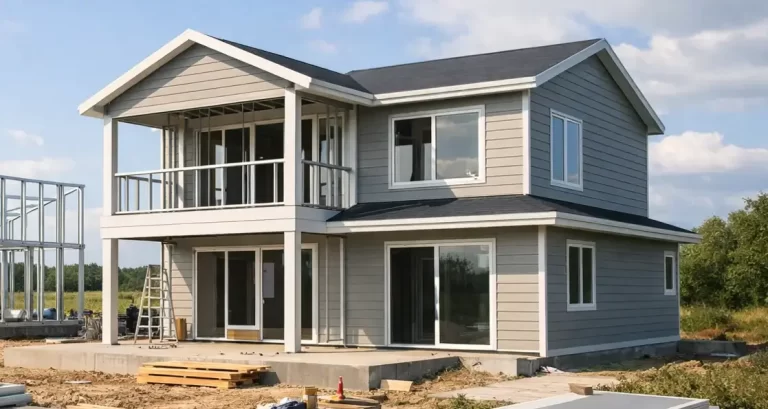
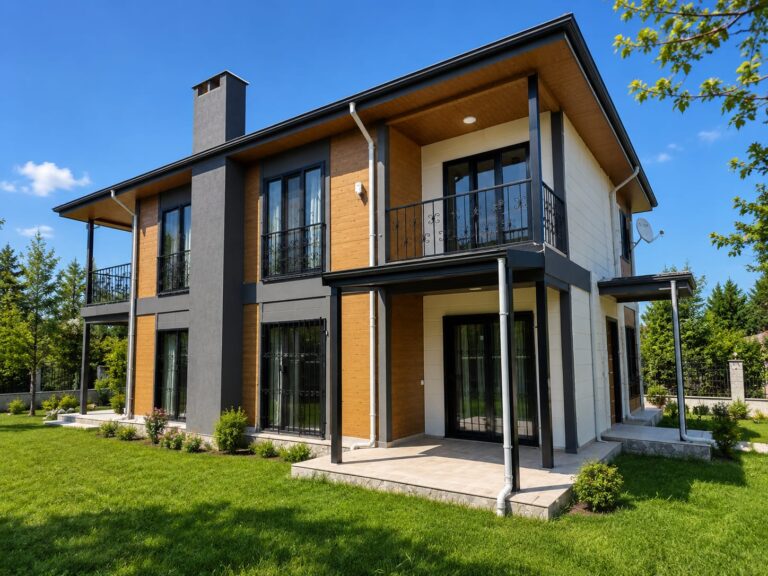
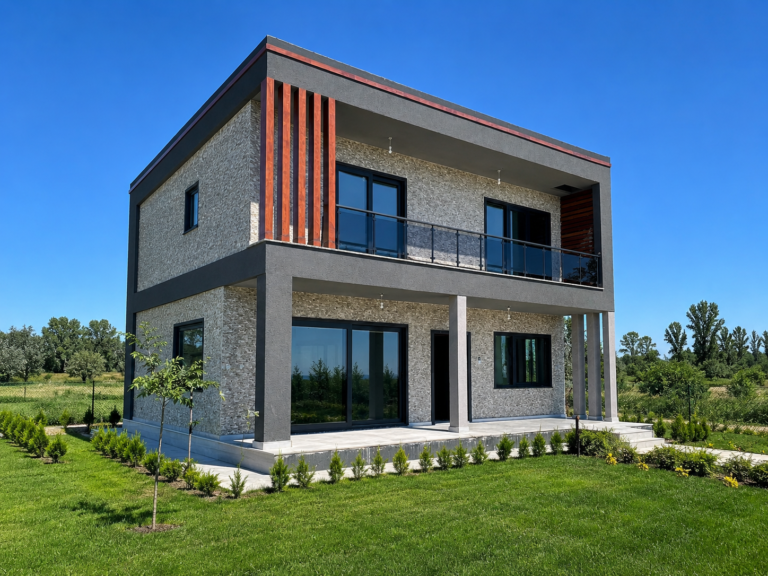
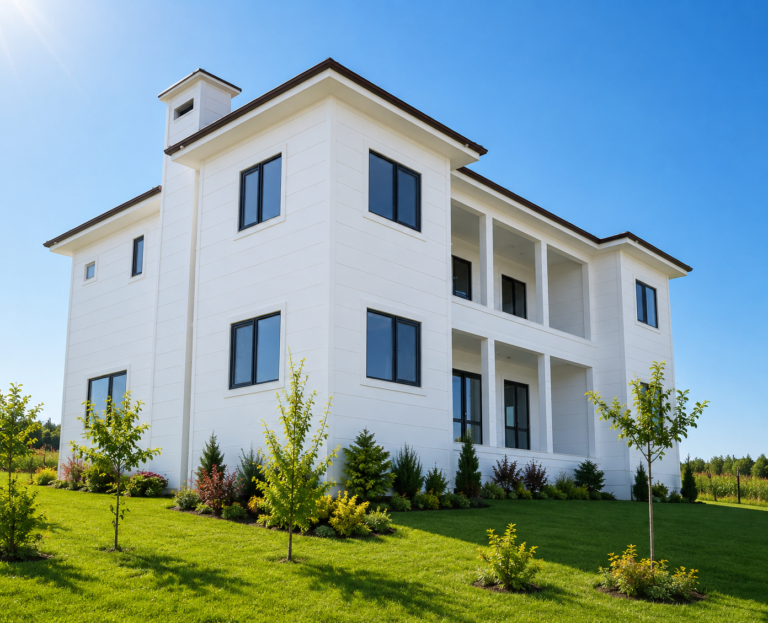
Two-story prefab homes are a strong option where a developer or investor wants more accommodation within a defined building footprint. They can suit larger family villas, duplex-style concepts, multi-unit tourism accommodations, or properties with separate owner and guest areas. A second level can also create opportunities for balconies and elevated outdoor living spaces.
That said, a two-story model is not automatically the best investment choice. It requires a clear circulation plan, a sensible bathroom layout, and an accurate view of the rental market being targeted. For a small vacation rental, a highly efficient one- or two-bedroom single-story unit may generate better returns than a larger home with underused rooms. The best layout is the one that aligns capacity, operating costs, and guest expectations.
Materials That Matter in Belize’s Climate
When comparing prefab suppliers, buyers should look beyond renderings and room counts. Ask how the home is built, what protects the exterior, and how the manufacturer organizes components for international delivery and assembly.
A quality steel prefab system typically combines galvanized steel framing, insulated wall and roof panels or insulation layers, fiber-cement exterior cladding, interior finishing materials, and weather-protection details. Each element has a specific job. The steel frame provides structural order. Insulation supports indoor comfort. Fiber cement helps defend the façade against humidity and rain exposure. Waterproofing details help protect vulnerable joints, edges, openings, and roof transitions.
Factory-controlled production is another meaningful advantage. Components can be manufactured to planned dimensions, checked before dispatch, labeled for transport, and organized for efficient installation. This reduces some of the unpredictability associated with sourcing and cutting every element on an active jobsite. It does not eliminate the need for careful local coordination, but it gives the project a more consistent starting point.
Coastal projects deserve additional attention. Salt-laden air, strong sun, high humidity, and wind exposure can shorten the life of unsuitable materials. Buyers should discuss the exact location with the prefab manufacturer and confirm that the selected cladding, protective coatings, fasteners, roof system, windows, and waterproofing approach are appropriate for the project’s exposure level.
Design for Comfort, Not Just Appearance
A Belize prefab home should work well at noon in the rainy season as well as on a calm vacation morning. Orientation, openings, roof design, shading, ventilation, and insulation all influence how the building performs once occupied.
Large windows can bring in daylight and views, but excessive unshaded glazing may increase indoor heat gain. Covered terraces, roof overhangs, and thoughtfully located openings can make outdoor areas more useful while helping manage direct sun. Cross-ventilation can also improve comfort, particularly in homes intended to make use of natural airflow alongside mechanical cooling.
Interior planning matters here too. Place kitchens, laundry functions, storage, and bathrooms in a way that supports efficient daily use. For vacation rentals, durable finishes and easy-clean room layouts can reduce turnover demands. For a family residence, prioritize pantry space, bedroom privacy, and an entry sequence that handles wet shoes, beach gear, or everyday outdoor living without disrupting the main living area.
Shipping, Assembly, and Project Clarity
Prefab housing is most successful when decisions are made early. Buyers should establish the preferred model, room count, exterior finish, package scope, delivery route, target schedule, and local approval requirements before manufacturing begins. Early clarity prevents late changes that can affect both cost and timing.
International supply is not simply about placing a house in a shipping container. Components need to be prepared for transport, documented correctly, and delivered in an organized sequence for assembly. A manufacturer experienced in international prefab projects can make this process more predictable by producing a coordinated house system rather than a collection of unrelated materials.
Bilka Prefab Homes supplies galvanized steel house systems designed for international projects, with configurable single-story and two-story models for residential, tourism, and investment uses. The value of this approach is not only speed. It is the ability to combine engineered steel framing, insulation, fiber-cement cladding, and adaptable planning in one coordinated solution.
Local building requirements should always be reviewed for the specific Belize location. Approval expectations, utility connections, wind considerations, and project documentation can vary by area. A prefab supplier should provide clear technical information so the project team can evaluate the selected home against applicable requirements.
The Right Prefab Home Is the One Built for Its Job
The strongest Belize prefab projects begin with a direct question: what must this building do every day? A compact insulated steel home may be ideal for a private retreat. A three-bedroom villa may better serve a growing family. A two-story configuration may make sense for a rental or hospitality plan with defined occupancy goals.
Focus on the building system behind the floor plan. Galvanized steel framing, effective insulation, moisture-resistant fiber-cement cladding, careful waterproofing, and a layout matched to the property’s purpose create a home that is prepared for Belize rather than merely placed there. That is where long-term comfort, durability, and investment value begin.