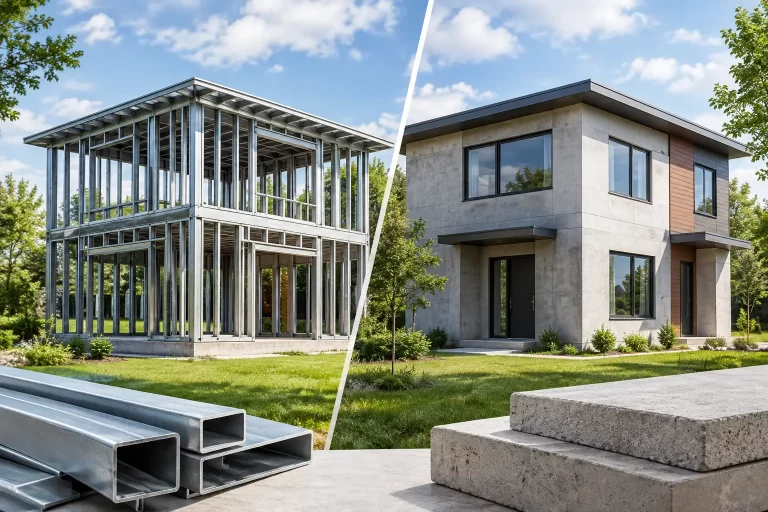
Steel Prefab Homes - Worldwide Shipping

Prefab Hotel Buildings for Faster Resort Growth
Prefab hotel buildings help developers create durable, insulated guest accommodations faster, with flexible layouts for tropical and coastal sites abroad.
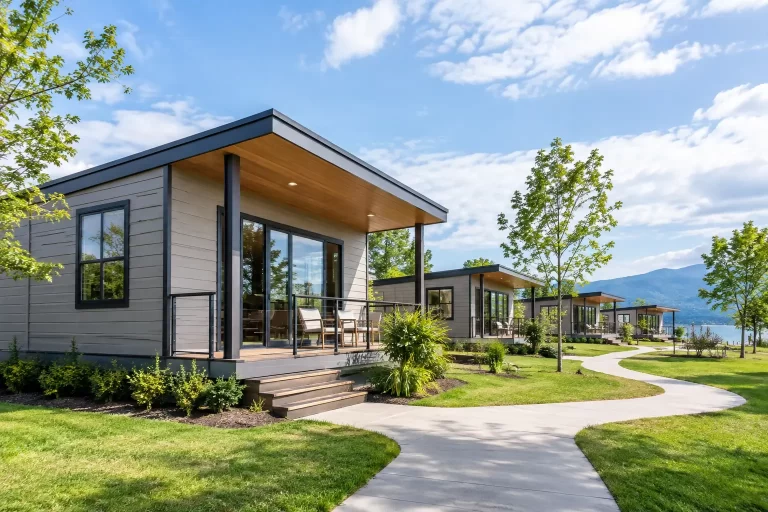
A resort opening date can be lost long before the first guest arrives. Repeated weather delays, inconsistent site labor, and room-by-room construction can put pressure on the schedule and the investment model. Prefab hotel buildings offer a more controlled route: structural components are produced in a factory, organized for transport, and assembled into guest accommodations with a clearer construction sequence.
For developers of boutique hotels, beach resorts, eco-lodges, and rental compounds, the value is not simply speed. A well-planned prefab system can combine durable galvanized steel framing, high-performance insulation, moisture-resistant exterior materials, and layouts that can expand as demand grows. The result is a hospitality asset designed around guest comfort, operational needs, and the realities of tropical or coastal climates.
Why Prefab Hotel Buildings Fit Hospitality Projects
Hotels are repetitive by nature. Guest rooms often share the same dimensions, bathroom positions, window types, wall assemblies, and service requirements. That repetition makes them especially suitable for prefabricated construction, where standardized elements can be manufactured consistently while the overall project still reflects a distinct architectural identity.
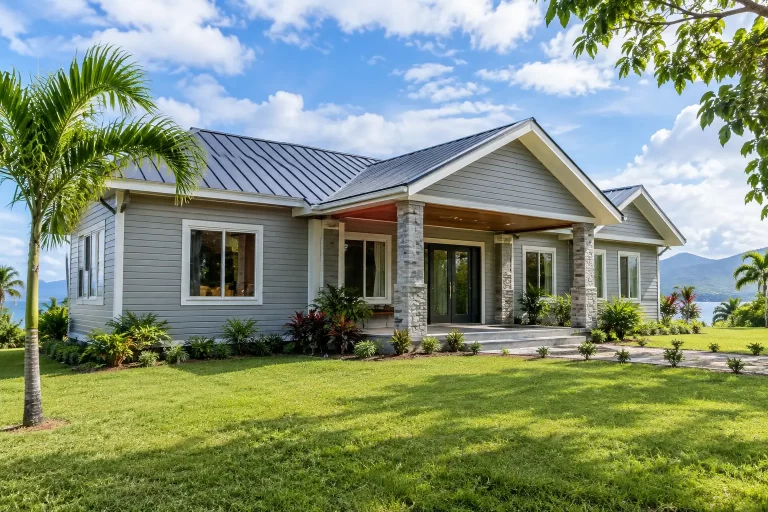
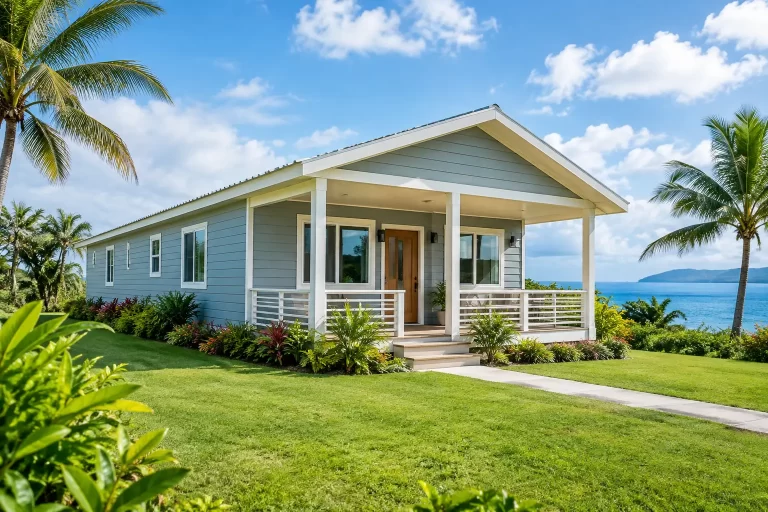
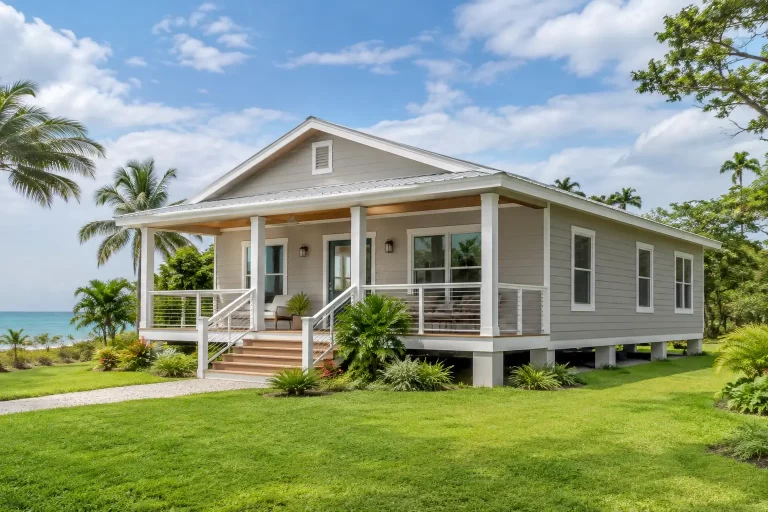
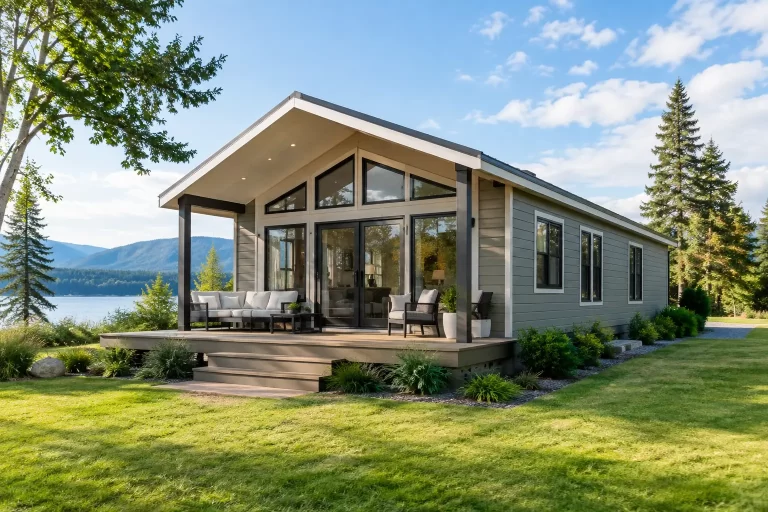
A developer may choose a group of detached guest villas, a two-story accommodation block, or a mixed layout with rooms, family suites, reception spaces, and staff facilities. The building system can be adapted to the land use plan and target market rather than forcing every property into one fixed model.
Factory control improves consistency
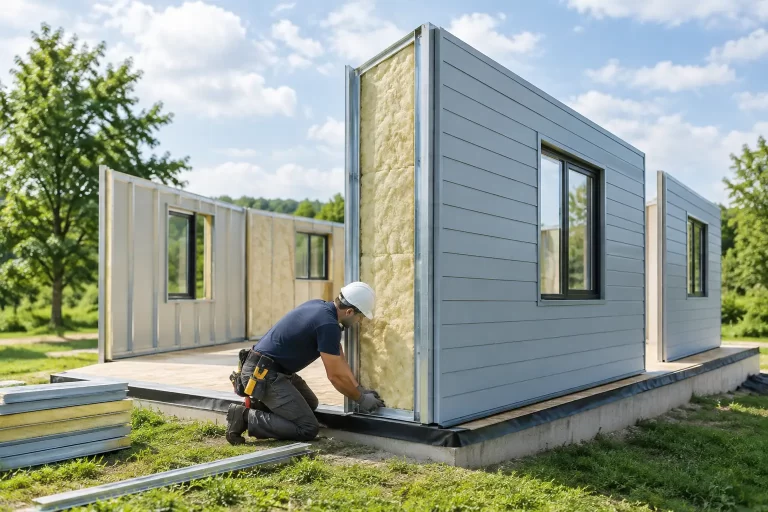
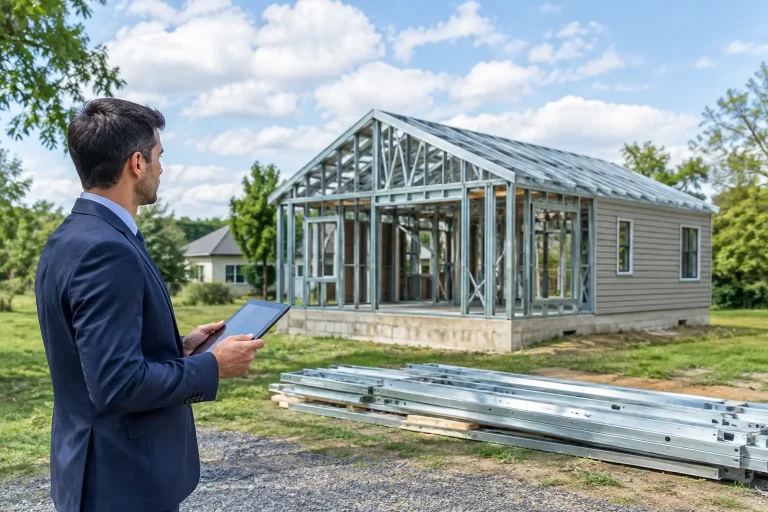
Conventional construction depends heavily on day-to-day conditions at the project location. With a prefab steel system, framing members, wall panels, insulation layers, and exterior cladding are manufactured under controlled factory conditions. This helps maintain dimensional accuracy and creates a repeatable standard across multiple rooms or buildings.
For hotel operators, consistency matters after opening as much as it does during construction. Guests expect rooms to perform similarly, whether they stay in the first villa built or the twentieth. Consistent wall assemblies, insulated envelopes, and properly selected exterior finishes support that expectation.
Faster assembly supports a clearer opening plan
Prefabrication does not remove the need for detailed project coordination, permits, utility planning, or local installation expertise. It does, however, reduce the amount of cutting, forming, and material handling required at the destination. Components arrive organized for the building design, allowing the assembly process to move more efficiently once the project is ready.
This is particularly valuable on islands and in remote tourism locations, where labor availability, storage space, and material supply can be less predictable. A more organized delivery and assembly sequence helps developers plan procurement, staffing, furnishing, and pre-opening activities with greater confidence.
What a Prefab Hotel Building Can Include
Prefabricated hospitality projects are not limited to a row of identical rooms. The right arrangement depends on the guest profile, room rate strategy, climate, views, and expected occupancy. A small beachfront property may prioritize private terraces and separate villas. A business-oriented hotel may need efficient room blocks and common spaces. A family resort may require larger suites with multiple bedrooms or kitchens.
Light-gauge galvanized steel systems can support these different approaches through adaptable floor plans. Room widths, window placement, covered outdoor areas, balconies, internal partitions, and bathroom configurations can be planned around the operating concept. Two-story structures can increase key count where the project calls for more density, while single-story villas can create a lower-profile resort experience.
The most successful projects usually standardize what guests do not need to notice, such as wall systems and service zones, while customizing what they do notice: room layouts, exterior appearance, circulation, privacy, and access to outdoor living areas.
Design for Humidity, Rain, and Coastal Exposure
A hotel building in a tropical market must do more than look attractive on opening day. It needs to manage humidity, heavy rain, heat, and frequent use over many seasons. Material selection should be central to the project brief, not an afterthought.
Galvanized steel framing
Galvanized steel framing provides a strong, lightweight structural base that does not face the same risks of rot, warping, or insect damage associated with some traditional materials. When engineered and assembled for the local requirements, steel construction can be a practical choice for regions where earthquake performance and durability are major priorities.
Its lighter component weight can also help simplify transportation and handling compared with many conventional building materials. That advantage is meaningful for Caribbean and island projects, where shipping logistics influence both timing and budget.
Insulation and guest comfort
Thermal insulation affects more than energy use. It influences how a room feels when a guest returns from the sun, how hard cooling systems must work, and how reliably interior conditions can be maintained through changing weather.
An insulated wall and roof assembly helps reduce heat transfer into guest rooms. In hospitality settings, that can support a more comfortable indoor environment and help operators manage cooling demand. Performance still depends on the total design, including windows, roof details, ventilation, and the way each building is positioned on the property.
Fiber-cement cladding and moisture protection
Exterior systems should be selected for prolonged exposure to moisture and changing temperatures. Fiber-cement cladding is a practical option because it provides a durable outer finish while resisting common moisture-related concerns. Combined with appropriate waterproofing details and correctly designed roof and wall interfaces, it helps protect the building envelope from rain-driven water.
No cladding material works independently. Long-term performance depends on the full assembly, installation quality, drainage details, maintenance access, and climate-specific design decisions. A hospitality investor should ask about the complete wall system, not only the visible facade.
Planning a Hotel System Before Manufacturing Begins
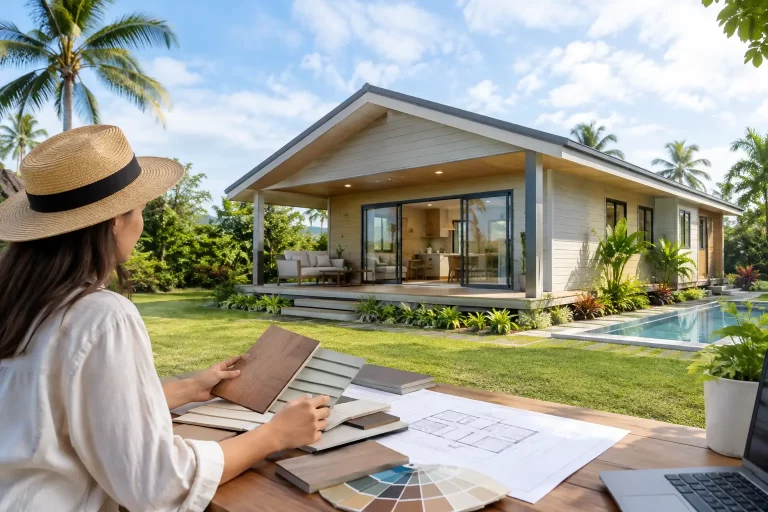
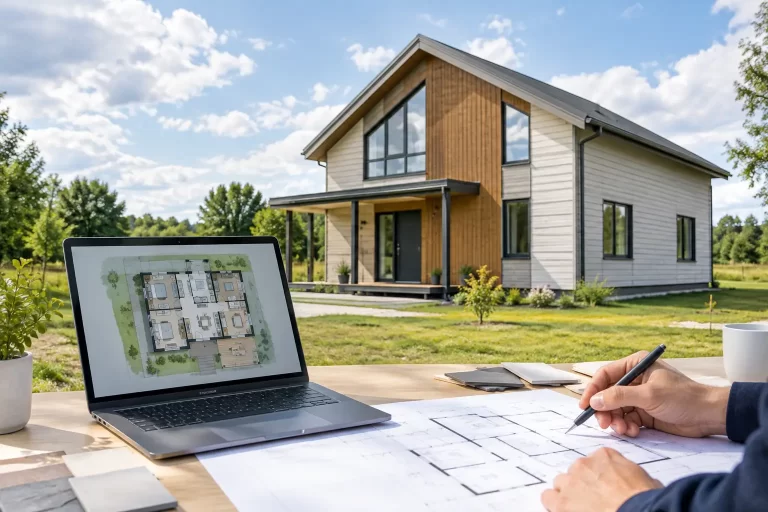
The biggest advantage of prefabrication comes from making decisions early. Once manufacturing begins, late changes to room dimensions, bathroom locations, door schedules, or exterior openings can affect production and shipping plans. Early coordination protects both schedule and cost control.
Start with the operating model. Will the property serve couples, families, groups, business travelers, or long-stay guests? That answer shapes room sizes, storage needs, kitchen requirements, shared spaces, and the balance between private and public areas.
Next, establish which elements should repeat. A resort may have three standard accommodation types rather than fifteen unique ones: a standard room, a premium room with a terrace, and a two-bedroom family villa. This gives guests meaningful choice without creating unnecessary complexity in manufacturing, procurement, or future maintenance.
Developers should also review the local code pathway, wind exposure, seismic requirements, fire regulations, accessibility expectations, and utility connections early in the design process. International projects benefit from a building partner that can adapt the prefab system to project requirements while providing clear documentation for the selected model.
Cost Control Without Reducing the Guest Experience
Prefab construction is often associated with lower costs, but the better question is where it creates financial control. Savings may come from reduced construction duration, less material waste, efficient repeatability, and simpler coordination of building components. The exact outcome depends on shipping distance, local regulations, the scale of the hotel, finish selections, and how much customization is required.
A highly customized luxury villa can still be a prefab project, but it will not have the same cost profile as a standardized room block. Likewise, a remote island location may benefit greatly from factory production and organized shipping, even when transportation represents a significant budget line.
The goal is not to make every room identical at the lowest possible cost. It is to invest in a durable building system while using repeatable design decisions where they add value. Guests remember the view, the quiet room, the comfortable temperature, the functional bathroom, and the quality of the finish. They do not need every structural component to be unique.
Selecting a Prefab Partner for a Hospitality Project
A hotel developer should look beyond attractive renderings. Ask how the framing is protected, what insulation and exterior wall materials are included, how components are packaged for international shipping, and how the system can be adapted for the local climate.
It is also useful to understand the division between standardized production and project-specific design. A manufacturer with catalog-based models can provide a reliable starting point, while custom adaptations allow the property to respond to its market and setting. Bilka Prefab Homes applies this approach through galvanized steel house systems that can be configured for villas, tourism accommodation, and larger modular developments.
Prefab hotel buildings work best when they are treated as a complete hospitality strategy, not a shortcut. With a clear guest concept, climate-appropriate materials, and early technical coordination, a resort can move from a promising site to durable guest accommodations with fewer avoidable surprises and more room to focus on the experience guests will return for.