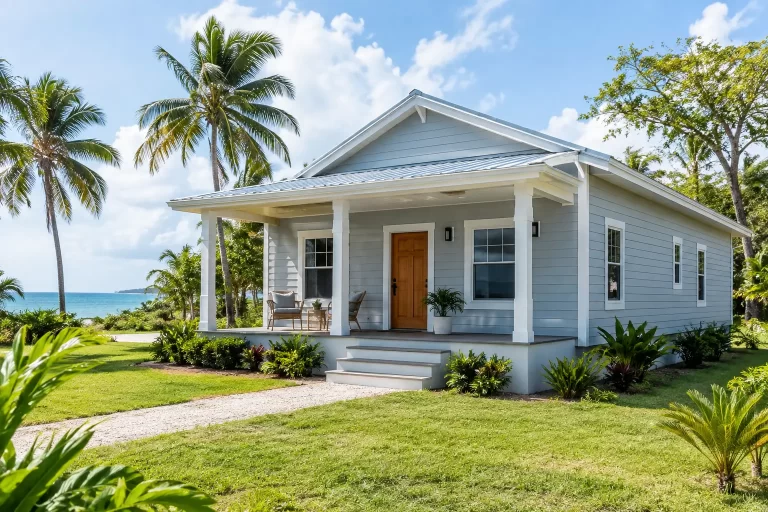
Steel Prefab Homes - Worldwide Shipping

Prefab Homes for Saint Vincent and the Grenadines
Prefab homes for Saint Vincent and the Grenadines combine steel strength, insulation, and adaptable design for island living, rentals, and resorts alike.
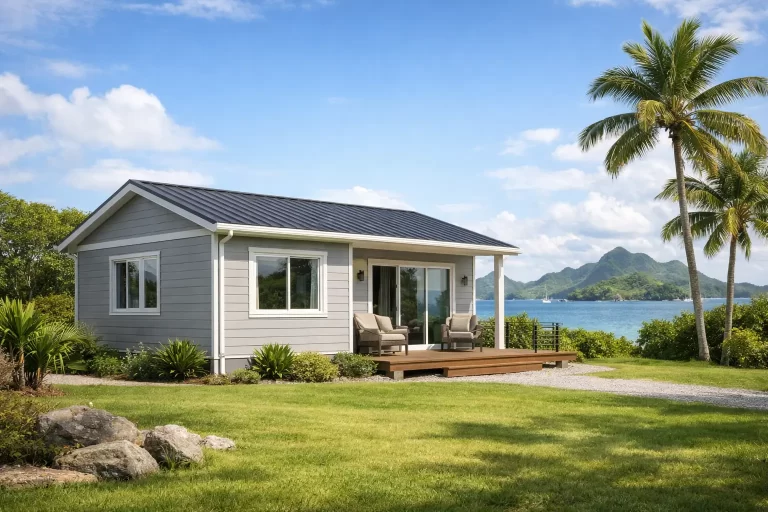
Saint Vincent and the Grenadines offers the kind of setting that makes a well-designed home feel like part of the investment: hillside views, coastal breezes, year-round tourism, and a strong appeal for vacation living. But building in an island environment also means planning for humidity, heavy rain, wind exposure, transportation logistics, and long-term maintenance. Prefab homes for Saint Vincent and the Grenadines give buyers a more controlled route to modern residential construction, combining factory-produced galvanized steel components with insulated wall systems and adaptable layouts.
For a permanent residence, a Bequia vacation villa, a rental property, or a small hospitality development, the best prefab solution is not simply a house that arrives quickly. It is a building system selected for the climate, the intended use, and the practical realities of an island project.
Why Steel Prefab Construction Fits Island Projects
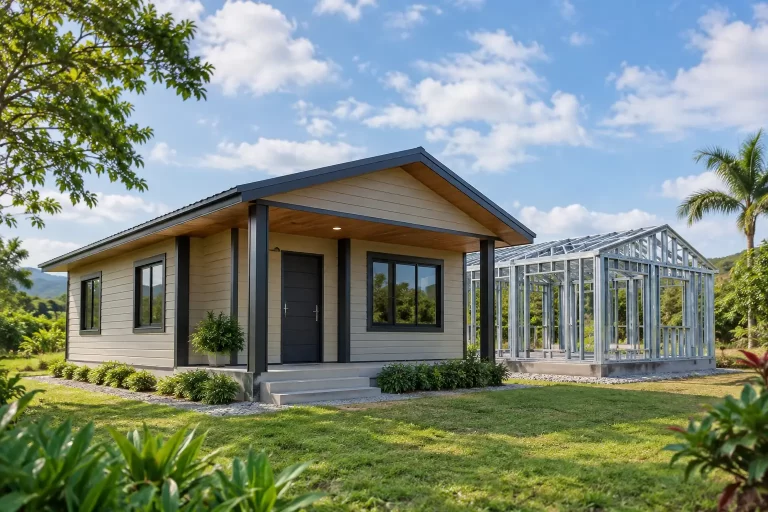
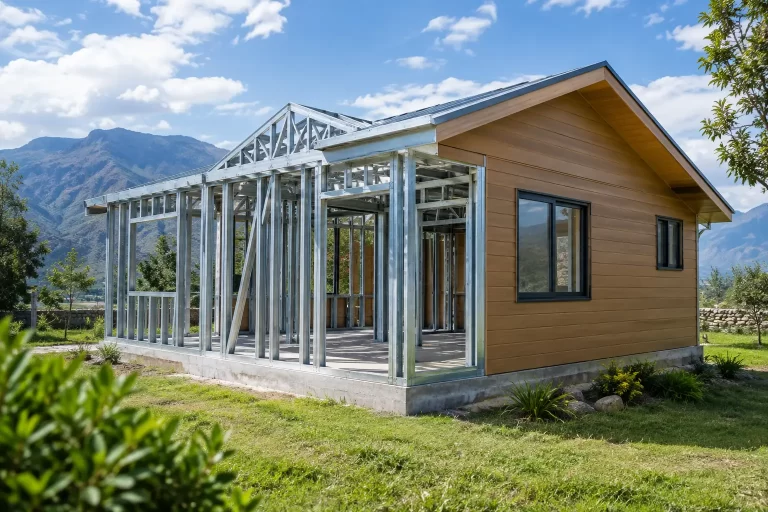
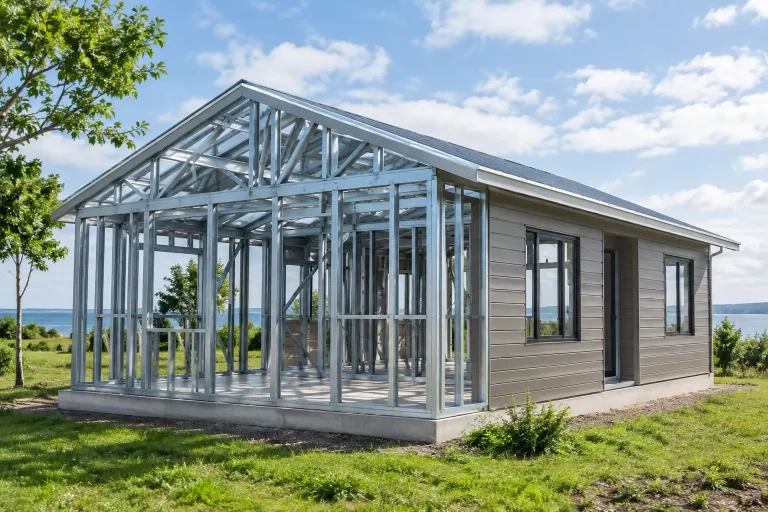
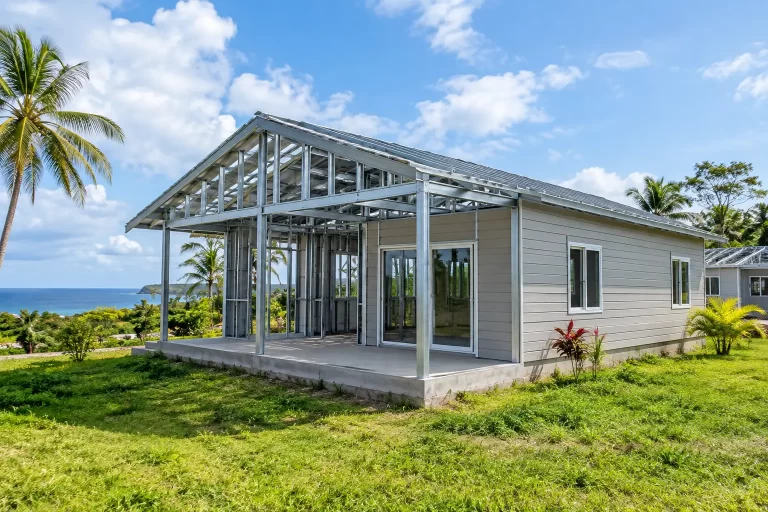
Conventional construction can involve many moving parts, particularly where material availability, weather interruptions, and skilled labor scheduling affect progress. A prefabricated steel home shifts much of the component production into a factory-controlled environment. Structural members, insulated panels, exterior cladding, and other building elements are manufactured to an organized plan, packed for international transportation, and prepared for assembly at the destination.
This approach does not remove the need for careful local planning. It does, however, reduce uncertainty around the quality and consistency of core building components. For buyers managing a project from overseas, that control can be especially valuable. Instead of relying on a long series of on-site fabrication decisions, they receive a coordinated building package designed around a defined model or custom layout.
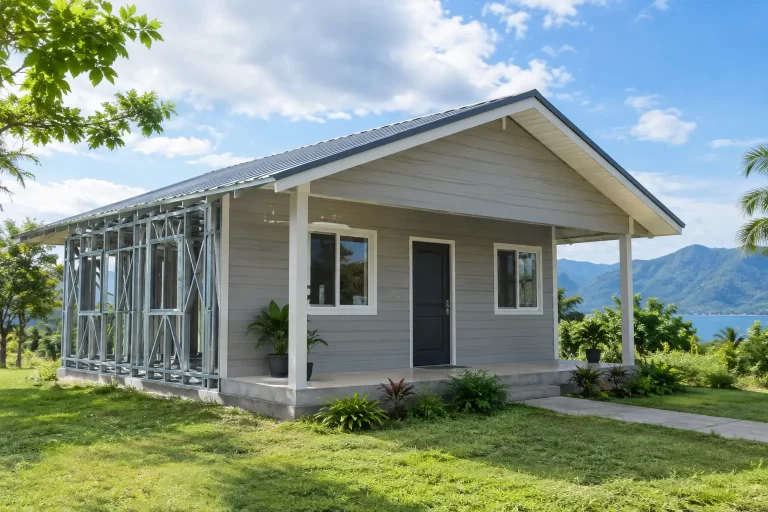
Light-gauge galvanized steel is particularly relevant in tropical and coastal conditions because it provides a stable structural framework without the rot and insect concerns associated with untreated timber systems. Galvanization helps protect steel from corrosion, while the overall wall system is designed to work with moisture-resistant exterior materials and effective insulation.
Prefab Homes for Saint Vincent and the Grenadines: Climate Priorities
A home that looks appropriate for the Caribbean is not automatically built appropriately for the Caribbean. The visible architecture matters, but performance depends on how the structure, wall assembly, roof system, insulation, and exterior finish work together.
Humidity and moisture management
High humidity places continuous pressure on a building envelope. Exterior materials need to tolerate moisture exposure without frequent deterioration, and interior comfort depends on limiting unwanted heat transfer. Fiber-cement cladding is a practical choice for prefab homes because it is resistant to moisture, does not rot, and offers a durable exterior surface suited to humid environments.
Waterproofing details are equally important around roof connections, windows, doors, and exterior junctions. No building material performs well when water is allowed to travel behind it. A properly designed prefab system treats these details as part of the assembly process rather than as last-minute site adjustments.
Insulation for everyday comfort
Island living can bring strong sun and warm temperatures for much of the year. Insulated wall and roof assemblies help reduce heat gain, creating more stable indoor conditions and potentially reducing reliance on cooling equipment. The right insulation level depends on the home design, orientation, window selection, occupancy pattern, and local energy expectations.
For a vacation property used periodically, insulation helps the house recover to a comfortable temperature more efficiently when occupied. For a full-time residence or rental unit, it supports daily comfort and can contribute to more predictable operating costs.
Wind and structural performance
Saint Vincent and the Grenadines is part of a hurricane-prone region, so structural design should be reviewed for applicable local wind requirements. Light-gauge steel framing offers a strong, engineered structural system with accurately manufactured connections and repeatable member dimensions. This is one reason steel prefab construction is a serious option for Caribbean homes, not just a fast-build alternative.
Wind resistance is never determined by framing alone. Roof design, connection details, openings, installation quality, and project-specific engineering all matter. Buyers should ensure the selected house model and any modifications are evaluated in line with the requirements of the specific project location.
Choose a Layout Around How the Property Will Be Used
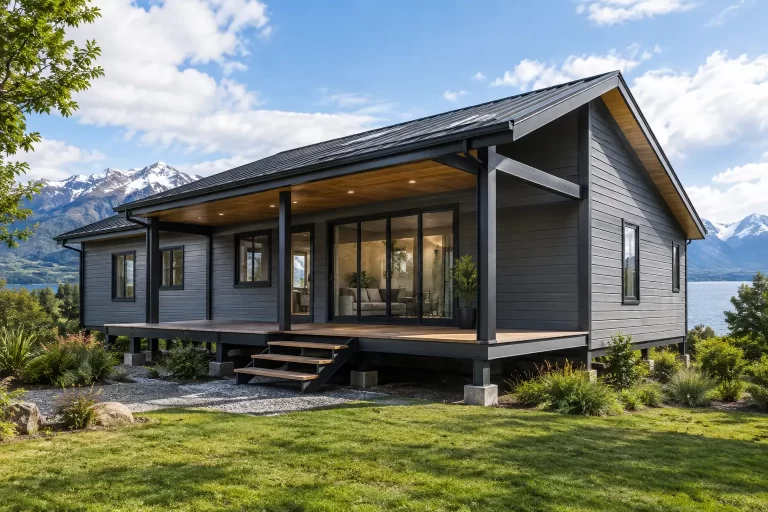
Prefab construction does not require a one-size-fits-all floor plan. A compact single-story home may be the right choice for an owner seeking easy access and manageable upkeep. A two-story villa can make better use of a view-oriented site and separate private bedrooms from shared living areas. For investors, repeated modular layouts can help create consistent rental units while allowing variations in finishes or outdoor living spaces.
The most useful starting point is the property’s purpose. A primary home may prioritize storage, a generous kitchen, laundry space, and shaded terraces. A short-term rental may benefit from en-suite bedrooms, durable finishes, lockable owner storage, and an open living area that photographs well. A boutique tourism project may require several units with repeated dimensions to simplify planning and operations.
Bilka Prefab Homes can adapt catalog-based steel house models for different room counts, balconies, kitchens, bathrooms, and project requirements. Customization works best when it serves a real need. Adding rooms or complex architectural features can increase the building footprint, transportation volume, and assembly time, so every adjustment should be weighed against the investment plan.
Transportation and Assembly Need Early Coordination
International prefab projects succeed when logistics are considered at the design stage, not after a layout is finalized. Building components are organized for transport from the factory to the destination, but buyers should account for port procedures, local transport access, delivery sequencing, storage conditions, and the availability of an experienced assembly team.
Island geography creates variables that mainland projects may not face. Some locations have narrow roads, steep approaches, limited staging space, or additional transport between islands. These conditions do not prevent prefab construction, but they can influence the preferred module sizes, packaging strategy, and order of assembly.
A manufacturer with international shipping experience can help organize the house package for efficient transport. Still, clear coordination among the project owner, local professionals, shipping representatives, and assembly personnel remains essential. The earlier these practical details are addressed, the fewer costly revisions are likely to appear later.
What Buyers Should Confirm Before Selecting a Model
A polished rendering is useful, but it should never be the only basis for choosing a prefab home. Buyers should review the scope of the structural package, wall and roof insulation, exterior cladding, window and door specifications, waterproofing details, and the options available for adapting the plan.
They should also confirm local approvals, project-specific engineering requirements, utility planning, and any rules that apply to coastal, hillside, residential, or tourism developments. Requirements can differ between Saint Vincent and the individual Grenadine islands, and they may vary further based on the exact parcel and intended occupancy.
Budget planning should extend beyond the published house model price. International freight, customs procedures, local assembly, finishes, services, permits, and site-specific requirements all affect the final project cost. Prefab construction can improve budget control by defining much of the building system earlier, but a realistic budget still needs to include the full project scope.
A Practical Choice for Homes, Rentals, and Villas
Steel prefab housing is well suited to buyers who value speed but do not want to compromise on long-term material performance. Galvanized steel framing, insulated building envelopes, fiber-cement exterior cladding, and configurable floor plans offer a balanced response to the demands of Caribbean residential construction.
The right prefab home for Saint Vincent and the Grenadines is one that respects the climate, fits the access and logistics of its location, and supports the way the property will earn value over time. Whether that value comes from family use, rental income, or a growing hospitality portfolio, a well-planned steel home provides a durable starting point for building with greater confidence.