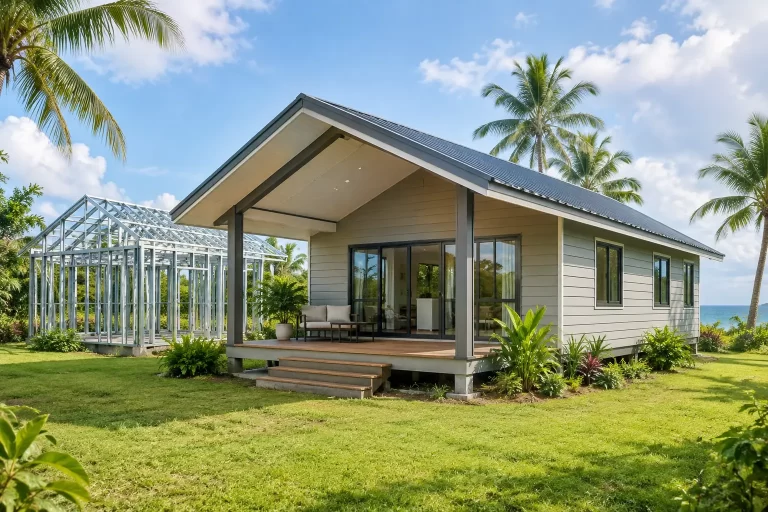
Steel Prefab Homes - Worldwide Shipping

Can Prefab Homes Resist Termites? The Real Answer
Can prefab homes resist termites in tropical climates? Learn how galvanized steel framing, fiber-cement cladding, and moisture control protect a property.
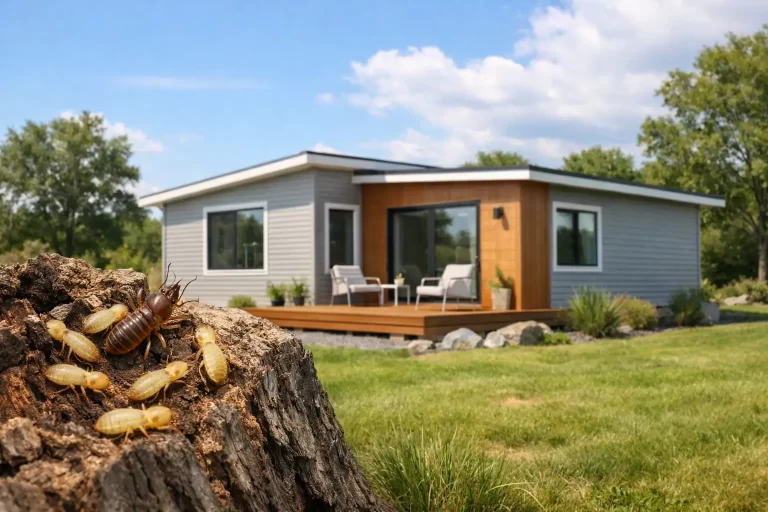
A termite problem can turn an attractive vacation home or rental investment into a costly repair project, especially in warm, humid regions where termites remain active for much of the year. So, can prefab homes resist termites? Yes, when the home uses galvanized steel framing and termite-resistant exterior materials, it can remove the primary food source termites seek: structural wood.
That answer needs one practical distinction. A steel prefab home is not automatically immune to every termite-related issue around a property. Termites may still be present in the surrounding environment, and they can damage untreated wood furnishings, timber decks, decorative trim, or stored materials. But a properly specified steel-framed prefab system prevents termites from consuming the load-bearing frame itself. That is a major advantage for homeowners, developers, and hospitality investors planning in tropical and coastal climates.
Why termites damage conventional homes
Termites feed on cellulose, an organic material found in wood and many plant-based products. In conventional timber construction, wall studs, roof members, joists, blocking, and other hidden structural components may all be potential termite food sources. Because much of that wood is enclosed behind wall finishes, damage can grow unnoticed before it becomes visible.
Humidity adds to the concern. Moist conditions do not cause termites, but they can create an environment that supports termite activity and also accelerates decay in vulnerable wood products. For property owners in the Caribbean, Central America, and island markets, pest resistance and moisture management should be considered together rather than as separate decisions.
A conventional wood house can be protected with treatment programs and inspections, but it still relies on a material termites can eat. The more direct strategy is to choose a structural system that does not provide termites with a meal.
Can prefab homes resist termites through steel framing?
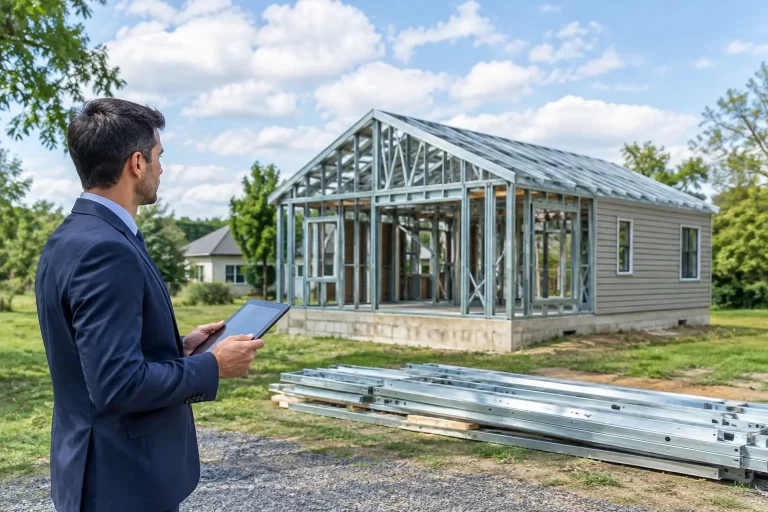
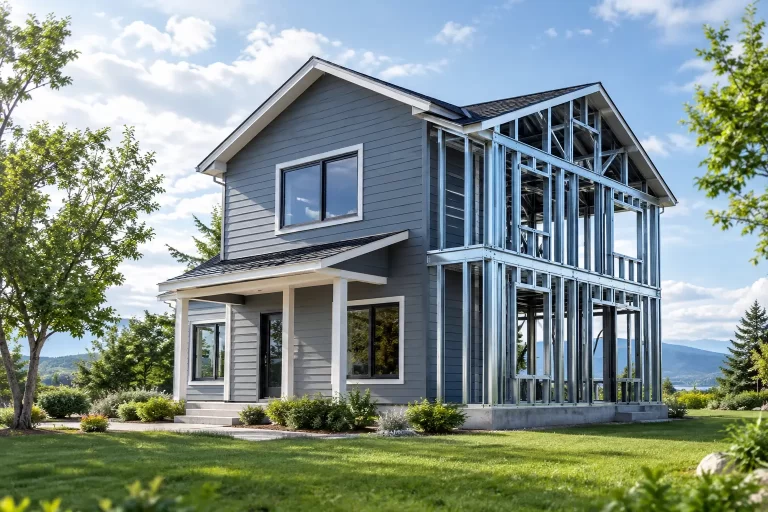
Prefab homes built with light-gauge galvanized steel framing offer a clear structural answer to termite risk. Steel contains no cellulose. Termites cannot eat it, nest in it, or reduce its structural capacity through feeding. When wall panels, roof framing, and key structural members are made from galvanized steel, the core skeleton of the home is not vulnerable to termite damage in the way a timber frame is.
This matters beyond pest control. Structural framing carries the loads that keep a house stable over time. If termites damage a wood stud, beam, or roof member, repairs may require opening finishes and replacing hidden components. With steel framing, that particular risk is removed from the structural system.
Galvanization also supports long-term durability by coating the steel with zinc, helping protect it from corrosion when the home is designed and maintained for its climate. Termite resistance and corrosion resistance are different performance issues, but both are essential in humid and coastal locations. A well-designed prefab system addresses each through material selection, protective layers, and accurate factory production.
The exterior materials matter, too
Steel framing is the central defense, but a termite-conscious home should not stop at the frame. Exterior wall systems should use materials that are durable in changing weather and unattractive to termites.
Fiber-cement cladding is a practical example. Made from cement-based materials and reinforcing fibers, it does not serve as a termite food source like untreated timber siding. It also performs well as part of an exterior system designed for rainfall, humidity, and sun exposure. Combined with appropriate waterproofing layers and carefully detailed joints, fiber-cement cladding helps protect the wall assembly from the moisture conditions that can create problems for less suitable materials.
Insulation is another part of the equation. Quality insulated wall and roof assemblies improve indoor comfort and reduce heat transfer. While insulation is not a substitute for termite-resistant framing, a factory-designed system allows materials to be organized correctly within the wall build-up rather than improvised during construction.
For a prefab villa or rental development, this coordinated approach has value: steel protects the structure from termite feeding, fiber-cement supports a durable exterior, and insulation and waterproofing contribute to a more comfortable, climate-ready building envelope.
Termite-resistant does not mean maintenance-free
The accurate claim is termite-resistant, not termite-proof. No building material eliminates the need for sensible property care, especially where termite pressure is high. A steel prefab home protects its frame, but other elements around the home may still contain wood or cellulose-based materials.
Interior cabinetry, doors, furniture, wood-look finishes, landscaping elements, and stored cardboard can all be separate concerns. Their presence does not reduce the value of a steel-framed home. It simply means the property should be managed with the same awareness applied to any building in a termite-prone region.
Regular visual inspections remain worthwhile. Owners should look for signs of moisture intrusion, damaged sealants, deteriorated exterior finishes, or pest activity around non-structural wood components. If termites are known to be active locally, consulting a qualified local pest-control professional can help establish an inspection and treatment plan suited to regional conditions.
The advantage is that, with galvanized steel framing, an inspection is less likely to reveal a termite-compromised structural skeleton. Maintenance can focus on protecting finishes, fittings, and surrounding property elements rather than uncovering hidden damage to the house frame.
Factory production improves material consistency
Prefab construction does not only mean faster assembly. It also creates better control over the materials that form the home. In a factory setting, galvanized steel components can be cut, formed, and organized according to approved drawings. Wall panels and building elements are prepared with repeatable dimensions, reducing the variability that often comes with extensive on-site cutting and material substitutions.
For termite resistance, consistency matters. The intended steel frame remains the steel frame specified for the project. Fiber-cement exterior components, insulation layers, and panel connections are planned as part of a complete building system. This gives buyers a clearer understanding of what is inside their walls and why those materials were selected.
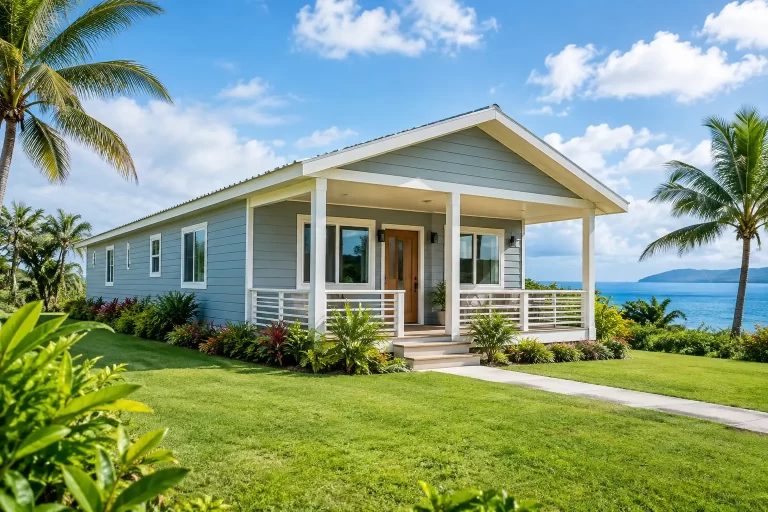
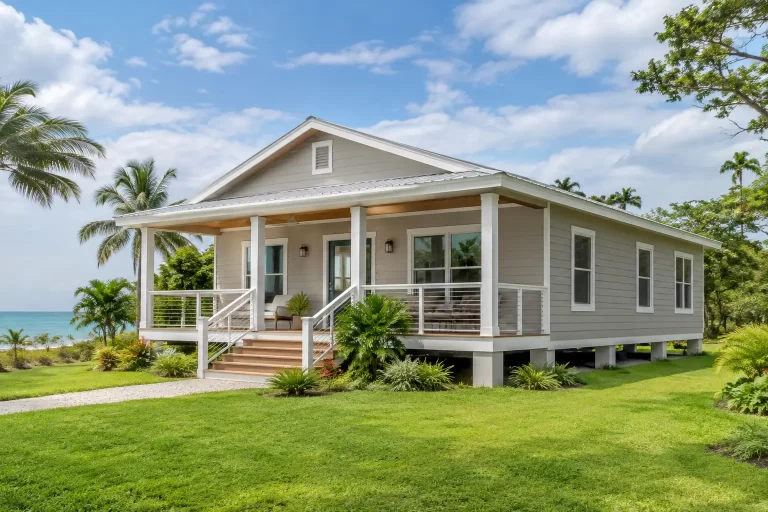
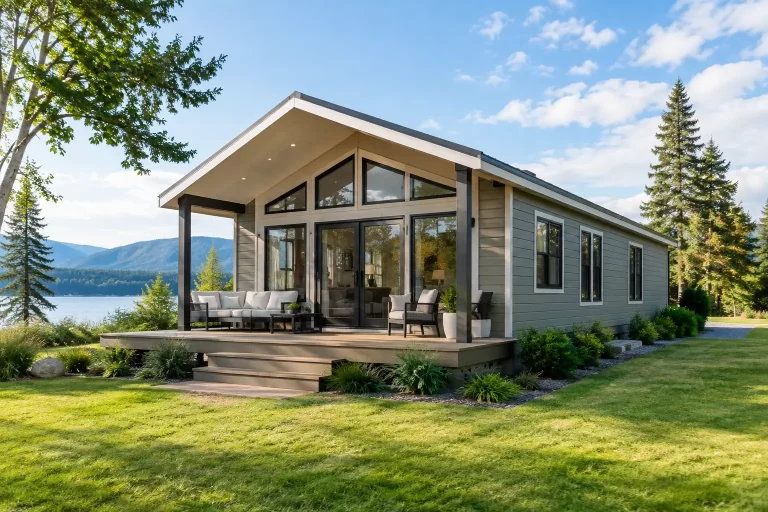
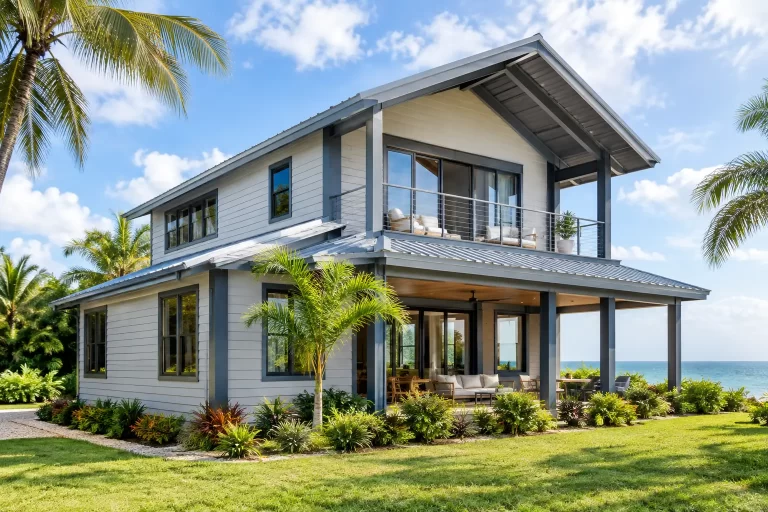
Bilka Prefab Homes uses galvanized steel structural systems with insulated, fiber-cement-clad wall solutions that are particularly relevant for tropical housing, vacation villas, and tourism projects. The result is a home designed around durable, non-wood structural materials while still allowing flexible layouts, room configurations, balconies, and architectural adaptations.
Choosing the right prefab home for a termite-prone location
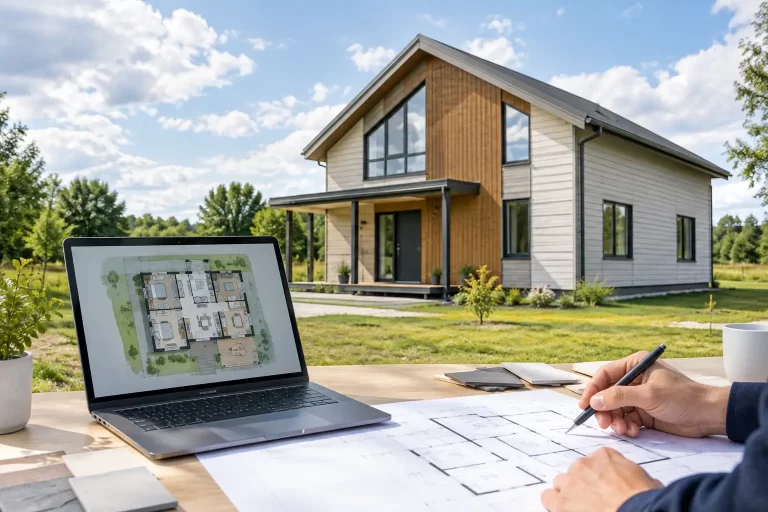
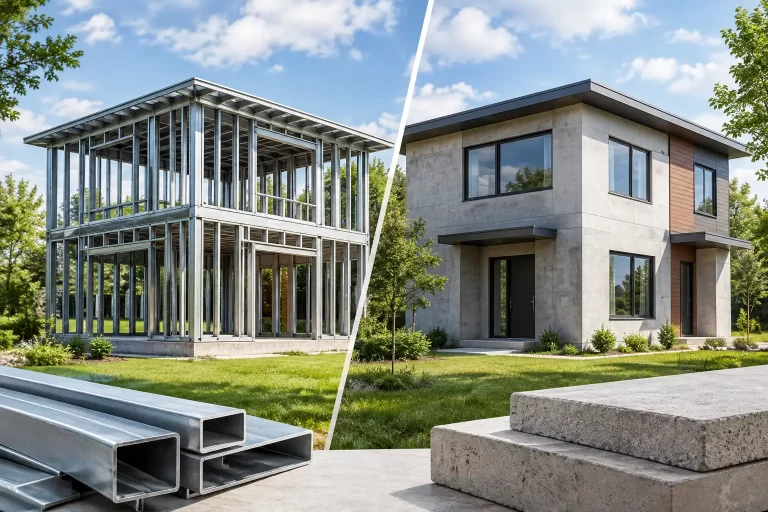
When comparing prefab options, buyers should look beyond the word “prefab.” Prefabrication describes how a building is produced and assembled. It does not, by itself, identify whether the structure is made of wood, steel, concrete, or another material. A timber prefab home can still have termite exposure in its structural frame. A steel prefab home changes that equation.
Ask what material is used for wall studs, roof members, and other load-bearing components. Confirm whether exterior cladding is fiber cement, metal, wood, or another finish. Consider how the wall system manages rain and humidity, and whether the design can be adapted for local wind, seismic, insulation, and layout requirements.
For rental properties and resorts, these questions are also financial questions. A structure that is less exposed to termite-related damage can reduce a source of long-term uncertainty. It can also support more predictable maintenance planning across multiple units, which is valuable when a project must stay available for guests.
A stronger starting point for long-term ownership
Termites are a material problem as much as they are a pest problem. If a home is framed with wood, termite management works to protect a food source that remains inside the building. If it is framed with galvanized steel, termites have no structural timber to consume in the first place.
That does not remove the need for careful detailing, moisture protection, local inspections, and proper care of non-structural wood items. It does provide something more useful: a house system that begins with a termite-resistant structural foundation. For buyers building in humid or tropical locations, that is a practical way to protect both the home and the long-term value behind it.