Steel Prefab Homes - Worldwide Shipping

Prefab Villa Cost: What Shapes Your Budget?
Prefab villa cost depends on size, finishes, shipping, and site requirements. See how a steel prefab system helps buyers plan with greater confidence.
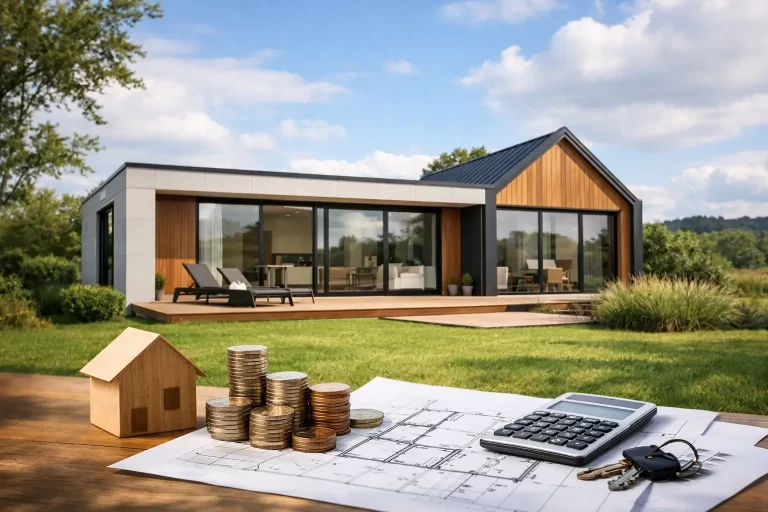
A prefab villa cost is easier to control than a conventional build only when the buyer understands what is included from the start. The price is not simply a number per square foot. It reflects the villa’s size, floor plan, steel structure, insulation level, exterior cladding, interior finish package, customization, transport route, and local installation requirements.
For a permanent residence, a coastal vacation home, or a group of rental villas, the most useful question is not, “What is the cheapest prefab villa?” It is, “What level of construction and comfort does this budget need to deliver?” A well-specified galvanized steel prefab system can reduce construction uncertainty while providing the durability, moisture protection, and design flexibility required for demanding climates.
What Is Included in Prefab Villa Cost?
A prefab villa is manufactured as a coordinated building system rather than assembled from unrelated materials purchased over a long period. This controlled approach can help buyers plan more accurately, but each supplier defines its package differently. Comparing two prices without comparing the specifications behind them can lead to the wrong decision.
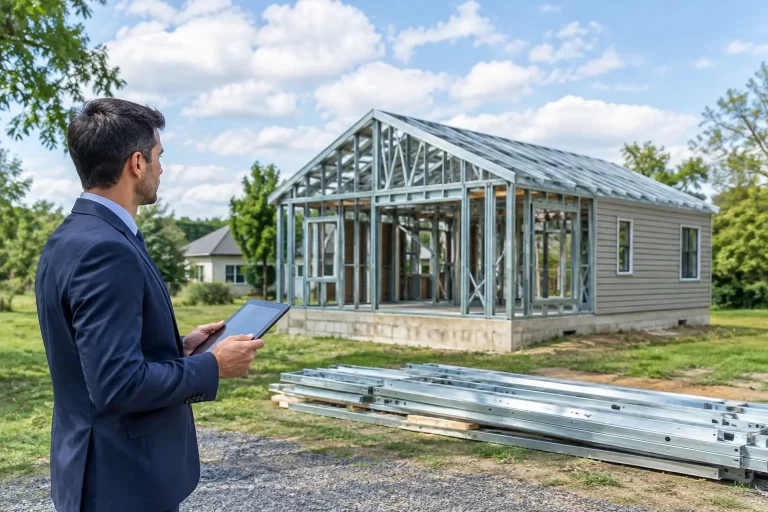
A steel prefab villa package commonly includes the light-gauge galvanized steel structural system, insulated wall and roof assemblies, exterior cladding, interior partitions, doors, windows, and selected interior finishes. The final scope depends on the chosen model and customization level. A basic shell, a weather-protected structure, and a more complete ready-to-finish home will naturally have very different price points.
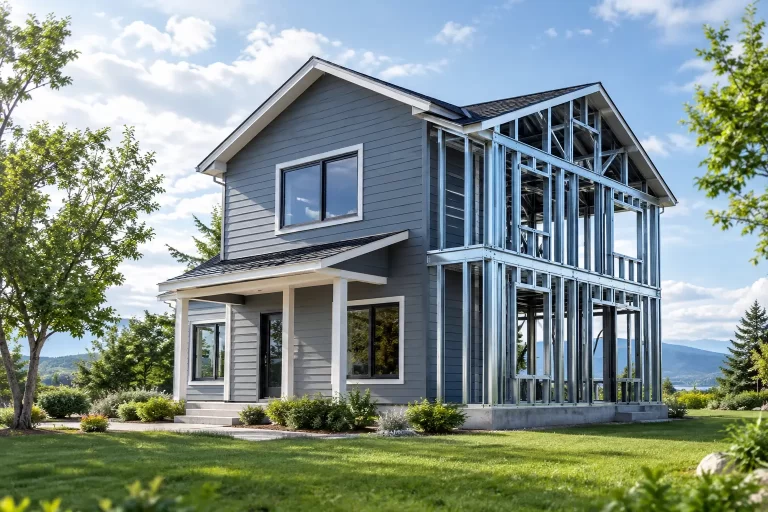
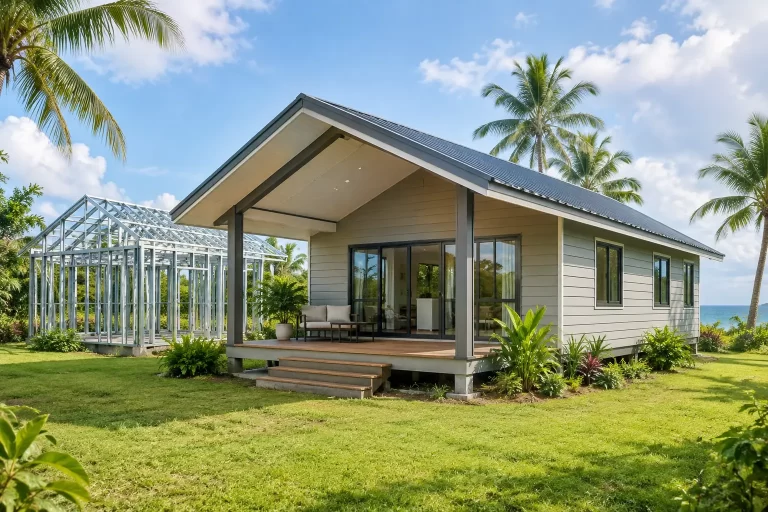
At Bilka Prefab Homes, galvanized steel framing is paired with insulated panels and fiber-cement exterior cladding. For buyers in humid, rainy, coastal, or tropical locations, these components are not decorative upgrades. They are part of the building strategy for managing moisture, supporting thermal comfort, and maintaining a durable exterior over time.
The Main Factors That Change the Price
Villa size and number of floors
Size is the clearest cost driver. A larger villa requires more steel framing, wall and roof materials, insulation, cladding, windows, finishes, and transport capacity. However, the cost per square foot does not always rise in a straight line. Compact villas can have a higher cost per square foot because kitchens, bathrooms, mechanical connections, and exterior openings represent a larger share of the overall package.
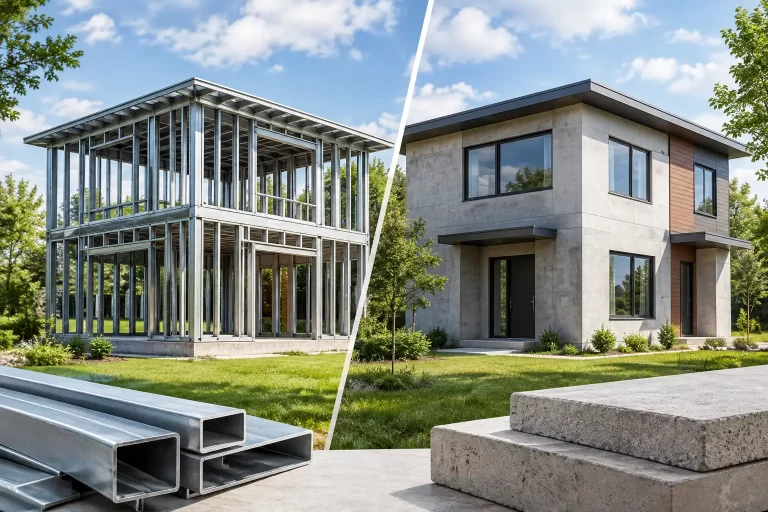
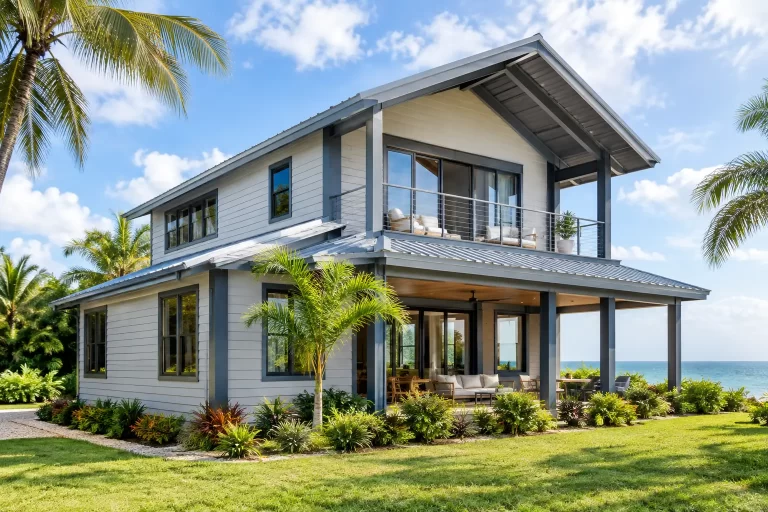
A two-story configuration can provide more living area on a smaller footprint and create stronger views from upper levels. It also requires additional structural coordination, stairs, and more complex installation planning. The best choice depends on the site, desired layout, local preferences, and whether the villa is intended for family living, vacation use, or rental occupancy.
Floor plan complexity
A simple rectangular plan with standard room dimensions is generally more economical than a highly customized design with many corners, roof transitions, and unusual openings. Customization is a major advantage of prefab construction, but it should be used with purpose.
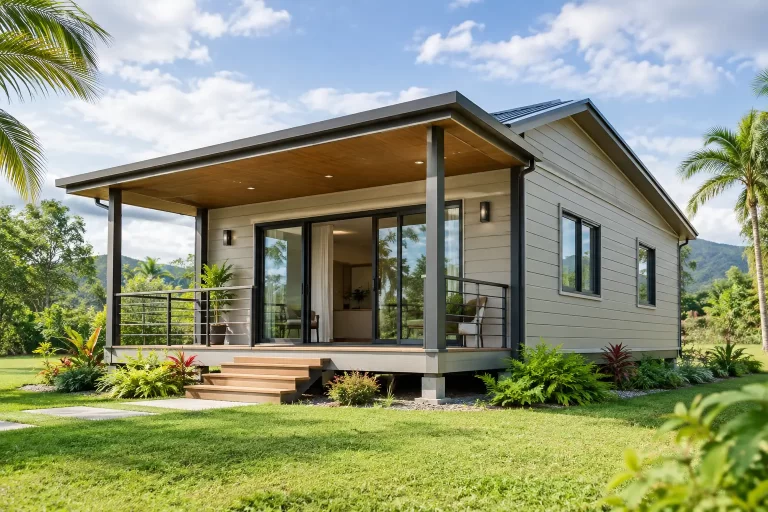
A balcony, covered terrace, expanded living room, second kitchen, additional bathroom, or separate guest suite can add real value for a homeowner or investor. These features also require additional materials and detailing. For a rental villa, an extra bathroom may improve occupancy appeal more than an oversized living area. For a private second home, shaded outdoor space may be the priority. Cost planning works best when the layout reflects how the property will actually be used.
Structural and climate requirements
Not every villa faces the same conditions. A home intended for a calm inland location may require a different configuration than one planned for heavy rainfall, high humidity, coastal exposure, or seismic activity. Steel framing offers consistent structural performance and does not face the same risks of warping, rot, or insect damage associated with some conventional materials.
The specification of insulation, waterproofing layers, roof design, window performance, and exterior materials can affect the total price. These choices should not be treated as optional extras when the climate demands them. In hot and humid regions, better thermal insulation can reduce heat gain and support more stable indoor comfort. Moisture-resistant fiber-cement cladding helps protect the exterior envelope in wet conditions.
Interior finish level
Finishes are where prefab villa budgets can vary widely. Flooring, kitchen cabinetry, countertops, bathroom fixtures, lighting selections, interior doors, wall finishes, and ceiling details all influence the final figure.
A practical rental unit may prioritize durable, easy-to-maintain finishes that perform well through frequent guest turnover. A private villa may justify upgraded kitchens, larger bathrooms, custom storage, and more refined interior details. Neither approach is automatically better. The right finish level is the one that fits the intended use and long-term operating plan.
Shipping and destination logistics
International delivery is a meaningful part of prefab villa cost. Shipping expenses depend on the destination, port access, route availability, package volume, local handling, and the timing of transport. A villa shipped to an island or remote coastal market may have different logistics than one sent to a major mainland port.
Buyers should request clarity on what is packed and shipped, how the components are protected for transit, and which destination-side charges may apply. A factory-produced system can simplify material coordination, but international projects still require careful scheduling. Early logistics planning helps avoid delays that can affect installation timing and overall project cash flow.
Local labor, permits, and utilities
The building package is one part of the project budget. Local approvals, installation labor, utility connections, professional services, and destination-specific requirements must be planned separately according to the project location.
This does not make prefabrication less predictable. It makes transparent budgeting more important. A reliable supplier can define the scope of the manufactured villa package clearly, while the buyer and local project team can budget for the work required at the destination. Keeping these categories separate makes it easier to compare proposals and avoid assumptions.
How to Compare Prefab Villa Prices Properly
A low initial quote can be appealing, especially for buyers comparing multiple international suppliers. But the lower figure may represent a smaller scope, lower insulation performance, fewer windows, a simpler finish package, or a structure without the same climate-resistance features.
Ask each supplier to describe the structural system, steel thickness and coating, insulation materials, exterior cladding, roof assembly, windows, doors, interior inclusions, customization limits, packaging, and shipping terms. If one quote includes fiber-cement cladding and insulated wall systems while another includes only a basic exterior shell, the prices are not directly comparable.
It is also wise to evaluate durability as part of the cost. A lower upfront price can lose its advantage if the villa requires more frequent exterior maintenance or performs poorly in humid conditions. Galvanized steel framing and moisture-resistant exterior materials can support a more resilient building envelope, particularly for vacation homes that may remain closed for periods of the year.
Setting a Realistic Budget for a Prefab Villa
Start with the purpose of the property. A full-time family residence needs a different room arrangement, storage plan, and comfort level than a weekend retreat. A tourism project may require repeatable villa models, efficient bathroom layouts, and finishes that are easy to maintain across several units. Investors should consider not only acquisition cost but also durability, guest appeal, operating expenses, and the potential for future expansion.
Then define the non-negotiables. For many buyers, these include the number of bedrooms and bathrooms, insulation appropriate for the climate, a strong roof system, moisture protection, and a layout that makes the most of the view or available outdoor space. Once these are established, optional upgrades can be evaluated without compromising the core building performance.
A good budget also includes a contingency for destination-specific variables. Shipping schedules, local approval processes, currency movements, and final finish selections can all affect the total project amount. The goal is not to eliminate every variable. It is to identify the variables early enough to make informed decisions.
Why Steel Prefab Can Deliver Better Cost Control
Prefab construction does not mean every villa has one fixed price. It means the major building components can be engineered, manufactured, and documented before they arrive at the project location. This reduces the uncertainty that often comes from sourcing materials gradually, coordinating many trades without a unified system, and making design decisions late in the construction process.
Factory production also supports more consistent quality control. Steel members are produced to specified dimensions, insulated systems are prepared as part of the package, and components are organized for transport and on-site assembly. For international buyers, this level of coordination can be especially valuable when managing a project from another country.
The most effective prefab villa budget is built around performance, not just purchase price. Choose a system designed for the local climate, define the finish level honestly, and compare proposals by what they deliver. A villa that is comfortable, durable, and suited to its location can provide value long after the initial price has been agreed.